
Summer in New York increases outdoor activity for children, but it also brings hidden dangers that many families do not anticipate. Blacktop surfaces, playground flooring, and metal equipment can reach extreme temperatures capable of causing burns within seconds. At the same time, overcrowded playgrounds and poorly maintained equipment increase the risk of falls, fractures, and head injuries. Andrews, Bernstein & Maranto, PLLC represents families across Buffalo and surrounding New York communities in evaluating whether unsafe conditions, negligent maintenance, or lack of supervision contributed to preventable child injuries, and helps families understand their rights under premises liability laws.







Summer Heat Creates Hidden Dangers in Everyday Play Areas 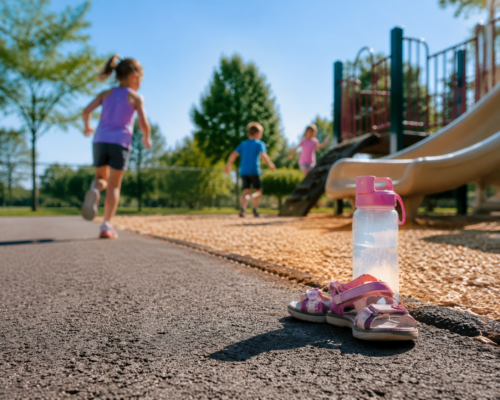
Andrews, Bernstein & Maranto, PLLC regularly works with families who never expected a routine summer outing to turn into a serious injury situation. Across Buffalo and other New York communities, playgrounds, schoolyards, and public parks become significantly more hazardous once temperatures rise. While children see these spaces as places for fun and freedom, the physical environment itself changes dramatically under sustained heat exposure.
Asphalt, rubber safety mats, and synthetic playground surfaces absorb sunlight throughout the day and retain heat far longer than surrounding air temperatures suggest. A surface that feels warm to adults can become hot enough to cause immediate burns to a child’s skin. Metal slides, handrails, and climbing structures can become even more dangerous, often reaching temperatures that are painful to touch within seconds of exposure. These conditions are not always obvious to children or even supervising adults, which is why injuries often occur unexpectedly during normal play.
The risk is not limited to burns. Summer conditions often increase playground usage, especially during school breaks, leading to crowded environments where supervision becomes stretched and hazards are more likely to be overlooked. When maintenance is inconsistent or inspection routines are delayed, small safety issues can escalate into preventable injuries.
How Blacktop Burns Happen in New York Play Environments
Blacktop burns occur when a child’s skin makes direct contact with heated surfaces such as asphalt pavement, playground flooring, or exposed metal equipment. These burns can happen in seconds, especially when children fall, sit, or kneel during play. Unlike adults, children are less likely to recognize surface heat before contact, making them more vulnerable in outdoor environments during peak summer conditions.
One of the most common scenarios involves children running and falling during active play. A simple slip on asphalt or rubberized flooring can lead to immediate skin contact with a surface that has been exposed to direct sunlight for hours. In other situations, children may sit down to rest, unaware of how hot the surface has become. Metal slides are another frequent source of injury, as they absorb heat quickly and can cause burns even when not actively being used for climbing or sliding.
In many cases, these burns are not minor. Depending on exposure time and surface temperature, injuries may range from painful redness to second-degree burns requiring medical treatment. Some children require wound care, infection monitoring, and follow-up visits, especially if scarring develops. Beyond the physical pain, these injuries can also create emotional distress, particularly in younger children who may become fearful of returning to playground environments.
Partner Partner Partner Attorney Attorney Attorney
Benjamin J.
Andrews
Robert
Maranto
Tom
Kotrys
Robert J.
Maranto, III
Thanon
Rezvi

Rea Marcelo
Roxas
Playground Equipment Risks Increase During Summer Months
While heat-related burns are a serious concern, playground injuries in New York during summer months often involve a broader set of hazards. Increased usage during school vacations leads to more children interacting with equipment at the same time, which increases the likelihood of collisions, falls, and improper use of structures.
Climbing equipment, swings, slides, and monkey bars all present potential risks when not properly maintained or supervised. Worn-out materials, loose bolts, cracked plastic, and unstable surfaces can contribute to sudden failures or unexpected movements during play. Even small defects in equipment can become dangerous when children are climbing, jumping, or swinging with momentum.
Falls remain one of the most common causes of playground injuries, often resulting in fractures to wrists, arms, or ankles. Head injuries can also occur when children fall from elevated platforms or collide with other children in crowded spaces. Cuts and abrasions from broken equipment or deteriorating surfaces are also common, especially in older playgrounds where maintenance cycles may not keep pace with wear and tear.
Heat compounds these risks by increasing fatigue and dehydration, which can reduce coordination and reaction time. When children are playing for extended periods without adequate rest or hydration, their ability to avoid hazards decreases, further increasing the likelihood of injury.
The team is very personable, patient and empathetic with their clients. They are upfront with you and will explain the entire process with you, they never lead you to believe otherwise, they tell you like it is and will not sell you a million dollar dream. Trust in Andrews, Bernstein & Maranto, PLLC, they work for you and he looks out for your best interest.” - Jane D.
Who May Be Responsible for Unsafe Playground Conditions in New York
Responsibility for playground and blacktop injuries depends on where the incident occurred and what conditions contributed to the harm. In New York, property owners, municipalities, school districts, daycare providers, and private operators all have a legal duty to maintain reasonably safe conditions for children using their facilities.
When these entities fail to inspect equipment, repair known hazards, or provide adequate warnings about dangerous conditions, they may be held responsible under premises liability principles. For example, a school district that does not repair overheated or deteriorating playground surfaces, or a municipality that fails to maintain safe public park equipment, may face liability if those conditions lead to injury.
Private facilities such as daycare centers and summer camps also carry a heightened duty of supervision. When injuries occur due to lack of oversight or unsafe play environments, questions may arise about whether reasonable safety protocols were followed.
Certain claims involving public entities also require strict notice procedures and shortened filing deadlines under New York law. This makes timing a critical factor in evaluating any potential case involving playground or blacktop injuries.
Steps Families Should Take After a Playground or Blacktop Injury
When a child is injured in a playground or outdoor setting, immediate action is important for both medical and legal reasons. The first priority should always be medical evaluation, even if the injury initially appears minor. Burns, fractures, and head injuries may worsen over time if not properly diagnosed.
Once immediate care is addressed, documenting the scene becomes important. Photographs of the surface, equipment, and surrounding conditions can help establish how the injury occurred. Identifying witnesses, including other parents or supervising staff, may also provide valuable information later.
It is also important to report the incident to the responsible entity, whether that is a school, park authority, or private operator. This creates an official record of the event and may trigger internal inspections or safety reviews. Families should also retain all medical records and related expenses, as these documents help illustrate the full impact of the injury over time.
Should I Take The First Settlement Offer? Steps to File a Personal Injury ClaimRelated Videos
Long-Term Impact of Summer Playground Injuries
While many children recover fully from minor injuries, others experience long-term consequences that extend beyond initial treatment. Burn injuries can leave permanent scarring or sensitivity that affects daily activities. Fractures may require extended healing time and physical therapy, particularly in younger children whose bones are still developing.
Head injuries, even those initially classified as mild, may require ongoing observation to ensure there are no lasting effects. Emotional impacts should also be considered. Children who experience painful injuries during play may become hesitant to engage in outdoor activities, which can affect their confidence and development.
Families often face additional challenges related to medical expenses, follow-up care, and time away from work to support recovery. These combined effects can place significant strain on households, especially when injuries occur unexpectedly during routine recreational activities.
Verdicts & Settlements
Legal Options for Families After Preventable Injuries
New York law allows families to pursue compensation when injuries occur due to negligence or unsafe conditions. These cases often involve careful investigation into maintenance records, inspection schedules, supervision practices, and environmental conditions at the time of the incident.
Andrews, Bernstein & Maranto, PLLC assists families in evaluating whether a preventable hazard contributed to a child’s injury and whether legal responsibility may exist. Each case requires a detailed review of the facts, including how the surface or equipment was maintained and whether reasonable safety measures were in place.
Learn more here:
https://www.wnyinjurylawyers.com/
Related resources:
https://www.wnyinjurylawyers.com/buffalo-personal-injury-blog/
https://www.wnyinjurylawyers.com/buffalo-slip-and-fall-injury-attorneys/
When a child is injured due to unsafe playground conditions or overheated surfaces, families are often left with unanswered questions about what went wrong and who may be responsible. Andrews, Bernstein & Maranto, PLLC helps families across New York understand their legal options and evaluate whether negligence played a role in the incident. Early evaluation can be important in preserving rights and ensuring that unsafe conditions are properly addressed.
Disclaimer:
This content is for informational purposes only and is not legal advice. Consult an attorney regarding your specific situation.