Proving nursing home neglect in New York requires detailed evidence, including medical records, nursing notes, and incident reports. Understanding the facility’s standard of care and working with expert witnesses are essential steps. Andrews, Bernstein & Maranto, PLLC provides guidance on obtaining a loved one’s nursing home records, identifying signs of neglect, and conducting thorough investigations to hold negligent facilities accountable. This guide explains the legal process and practical steps families can take when they suspect their loved one has been mistreated.




Understanding Nursing Home Neglect in New York
Nursing home neglect occurs when a facility fails to provide the proper care expected under New York law, resulting in harm to a resident. Neglect may take many forms, including untreated medical conditions, unsafe living environments, malnutrition, medication errors, or failure to prevent injuries such as falls or bedsores. Each case requires careful review of what constitutes reasonable care for the specific resident. New York law requires facilities to adhere to strict regulations to protect residents, and a deviation from these standards can establish grounds for legal action. Proving neglect is not simply about demonstrating harm; it also requires showing that the facility’s actions, or lack of action, directly caused the harm.
Collecting Evidence to Support Your Case
Evidence is the foundation of any claim involving nursing home neglect. Without proper documentation, it is difficult to demonstrate that the facility failed in its duty of care. Key types of evidence include:
- Medical records: Hospital and physician records that show injuries, untreated conditions, or medical errors.
- Nursing notes: Daily logs kept by staff that document care, medication administration, and observations about the resident’s health.
- Incident reports: Records of falls, accidents, or unusual occurrences that may indicate lapses in care.
- Photographs and videos: Visual evidence of unsafe conditions, bedsores, or unhygienic living environments.
- Communication logs: Emails, texts, or letters that show attempts to alert the facility or document responses to complaints.
Consistency and pattern recognition in these records can demonstrate ongoing neglect rather than isolated incidents. Long-term patterns, rather than single errors, are more persuasive in a New York legal setting.

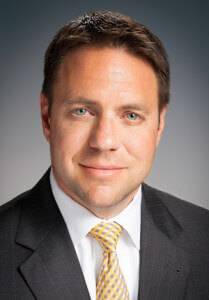
Benjamin J.
Andrews
Partner
Robert
Maranto
Partner

Tom
Kotrys
Partner
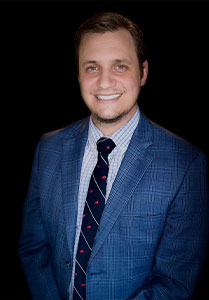
Robert J.
Maranto, III
Attorney
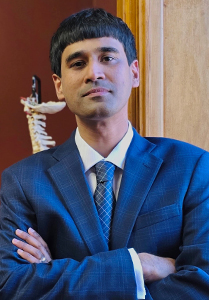
Thanon
Rezvi
Attorney

Rea Marcelo
Roxas
Attorney
How to Access Nursing Home Records in New York
Families have the right to request records for residents in New York nursing homes. The process typically involves:
- Submitting a written request specifying which records are needed.
- Providing proof of legal authority if you are not the resident, such as a power of attorney or guardianship document.
- Following up with the facility to ensure the request is fulfilled within a reasonable timeframe.
New York law mandates that nursing homes provide access to medical and incident records in a timely manner. If a facility refuses to comply, an attorney can issue a formal demand or petition the court for access. Obtaining these records is often the first and most critical step in building a case for neglect.
Role of Expert Witnesses in Nursing Home Neglect Cases
Expert witnesses are essential in cases where medical or care standards are in question. They provide independent assessments of whether the facility met its obligations. Common types of expert witnesses include:
- Physicians and nurses: Evaluate whether medical care provided was appropriate and timely.
- Geriatric specialists: Assess the adequacy of care for older adults, particularly those with chronic conditions.
- Physical and occupational therapists: Determine whether rehabilitation and mobility needs were properly addressed.
Expert testimony can clarify complex medical situations for judges or juries and demonstrate the causal link between neglect and the resident’s injuries. Experts may also identify breaches in facility procedures, unsafe staffing practices, or deviations from accepted standards of care.

The team is very personable, patient and empathetic with their clients. They are upfront with you and will explain the entire process with you, they never lead you to believe otherwise, they tell you like it is and will not sell you a million dollar dream. Trust in Andrews, Bernstein & Maranto, PLLC, they work for you and he looks out for your best interest.”
- Jane D.
Understanding the Standard of Care in New York
In New York, nursing homes are required to meet both federal and state standards that ensure residents receive adequate care. This includes providing sufficient staffing, proper nutrition, safe living environments, and timely medical attention. Attorneys review these regulations, staffing records, and facility policies to determine whether the standard of care was met. Evidence that a nursing home consistently failed to comply with these requirements strengthens a neglect claim. The legal evaluation focuses not just on what occurred but on whether the facility’s actions were reasonable under the circumstances.
Investigating a Case with Andrews, Bernstein & Maranto, PLLC
When families seek help from Andrews, Bernstein & Maranto, PLLC, the investigation process includes several critical steps:
- Comprehensive case intake: Gathering detailed information about the resident’s medical history and the circumstances of the suspected neglect.
- Document collection and review: Obtaining all relevant medical records, nursing notes, and incident reports for analysis.
- Expert evaluation: Retaining specialists to assess care practices and provide testimony regarding deviations from accepted standards.
- Condition documentation: Capturing photographs and videos of unsafe or unsanitary conditions to corroborate written records.
- Regulatory review: Consulting with state agencies and reviewing compliance with New York Department of Health guidelines to identify violations.
This thorough approach ensures that all evidence is preserved and that a strong, credible case is presented.
Related Videos
Should I Take The First Settlement Offer?
Steps to File a Personal Injury Claim
Identifying Signs of Nursing Home Neglect
Families should remain vigilant for warning signs that may indicate neglect. These include:
- Unexplained injuries such as bruises or bedsores
- Sudden or extreme weight loss
- Untreated infections or delays in medical care
- Unsafe or unsanitary living conditions
- Staff ignoring residents’ requests for assistance
Early documentation of these signs is crucial. Detailed notes, photos, and prompt communication with an attorney help ensure that evidence is preserved before it can be altered or lost.
Legal Remedies and Potential Compensation
When neglect is proven, New York residents and their families may be entitled to compensation for:
- Medical expenses incurred due to neglect
- Pain and suffering
- Emotional distress
- Costs for long-term care if the resident’s condition deteriorated
Attorneys evaluate each case individually to assess potential damages and guide families through the process of seeking justice and holding the facility accountable.
Verdicts & Settlements
Next Steps for Families
If you suspect a loved one is being neglected in a nursing home, immediate action is vital:
- Document all observations with photographs, notes, and any communications with staff.
- Request complete medical and incident records from the facility.
- Contact an experienced nursing home neglect attorney for guidance.
- Avoid direct confrontation with staff, which could compromise evidence.
Prompt intervention ensures that evidence is preserved, expert evaluations can be conducted, and the case is built on a solid foundation.
Proving nursing home neglect in New York is a complex process that requires detailed documentation, expert testimony, and careful legal strategy. Families should act quickly to gather evidence and consult experienced attorneys. Andrews, Bernstein & Maranto, PLLC provides comprehensive guidance and representation, helping families navigate this challenging process, ensuring that negligent facilities are held accountable, and protecting the rights and well-being of residents.