
Springtime in Buffalo, New York often signals the start of outdoor activities, and with that comes the increased use of lawn equipment. Andrews, Bernstein & Maranto, PLLC frequently sees individuals injured during this period due to defective products. Power mowers, trimmers, and other lawn tools, when flawed, can result in severe injuries such as amputations, lacerations, fractures, and electrical burns. Recognizing the types of defects that lead to harm and understanding the legal pathways available under New York law is essential for protecting your rights and obtaining appropriate compensation.










Understanding Injuries from Defective Lawn Equipment 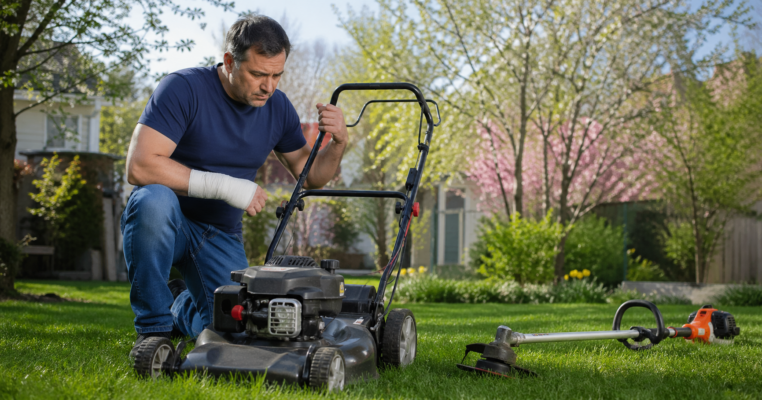
Lawn equipment is designed to make yard work safer and more efficient, yet defects can turn routine tasks into dangerous situations. Injuries from these tools can range from minor cuts to life-changing events, and understanding how these accidents happen is the first step in seeking justice. Common causes of injury include:
- Malfunctioning blades or cutting mechanisms that can amputate fingers or toes.
- Electric or battery malfunctions leading to shocks, burns, or fires.
- Unstable designs causing equipment to tip over or eject debris.
- Lack of adequate safety guards, shields, or emergency stop mechanisms.
Each type of injury can have long-term consequences, affecting physical ability, employment, and quality of life, emphasizing the need for proper legal recourse.
Types of Defects Recognized in Product Liability Claims
New York law recognizes three primary categories of product defects that can form the basis for liability. Understanding these can help identify the legal route available after an injury.
Manufacturing Defects
A manufacturing defect occurs when a product deviates from its intended design due to errors in production or assembly. Examples include a lawn mower with a blade improperly attached, a trimmer with faulty wiring, or a battery-powered device that ignites due to poor component quality. Even a single flaw can make the equipment unsafe, and manufacturers, distributors, or retailers may be held accountable.
Partner Partner Partner Attorney Attorney Attorney
Benjamin J.
Andrews
Robert
Maranto
Tom
Kotrys
Robert J.
Maranto, III
Thanon
Rezvi

Rea Marcelo
Roxas
Design Defects
Design defects exist when the product itself is inherently dangerous, regardless of how well it was manufactured. A lawn mower that tips over easily because of a poorly designed base, a leaf blower that directs debris toward the user, or a trimmer that ejects objects at high velocity can all be considered design-defective. Legal claims often involve expert testimony to demonstrate that safer alternatives were available and feasible.
Failure to Warn
Manufacturers must provide clear instructions and appropriate safety warnings. If someone is injured because warnings were missing, unclear, or inadequate, a failure-to-warn claim may apply. This includes insufficient guidance about personal protective equipment, improper maintenance instructions, or incorrect operational warnings. Even with perfectly designed and manufactured equipment, failing to communicate risks can make a manufacturer liable.
Who Can Be Held Liable
Liability can extend to multiple parties, including:
- The manufacturer who produced the defective product.
- Retailers or distributors who sold the equipment.
- Designers or assembly companies responsible for safety features or instructions.
Determining liability often involves tracing the defect back to its source, which can require a detailed investigation, expert analysis, and documentation of the product’s history.
The team is very personable, patient and empathetic with their clients. They are upfront with you and will explain the entire process with you, they never lead you to believe otherwise, they tell you like it is and will not sell you a million dollar dream. Trust in Andrews, Bernstein & Maranto, PLLC, they work for you and he looks out for your best interest.” - Jane D.
Proving a Claim in New York
To establish a product liability claim, plaintiffs generally must show:
- The equipment was defective in manufacturing, design, or warning.
- The defect existed when it left the manufacturer or retailer.
- The defect directly caused the injury.
- The injured party suffered compensable damages, such as medical expenses, lost wages, or pain and suffering.
Evidence in these cases can include the defective equipment itself, photographs of the injury and scene, maintenance records, purchase documentation, and expert testimony evaluating safety standards and defect causation.
Immediate Steps After an Injury
Taking prompt action is critical for preserving your claim and evidence. Recommended steps include:
- Seeking immediate medical care and thoroughly documenting injuries.
- Preserving the defective equipment, packaging, and any related components.
- Capturing photographs of the scene, the equipment, and any contributing environmental factors.
- Reporting the incident to the manufacturer and retailer, preferably in writing.
- Consulting an experienced product liability attorney in Buffalo promptly to assess legal options.
Should I Take The First Settlement Offer? Steps to File a Personal Injury ClaimRelated Videos
Common Misconceptions About Lawn Equipment Injuries
Many victims believe minor injuries or accidents do not justify legal action. In reality, even small defects can indicate broader safety issues and entitle victims to compensation for medical costs, lost wages, rehabilitation, and pain and suffering. Understanding that these cases often involve long-term impacts and cumulative injuries is key to protecting rights effectively.
Time Limits for Filing Claims
New York imposes strict time limits on product liability actions. Most claims must be filed within three years from the date of injury, though exceptions may exist for latent injuries or claims involving minors. Acting promptly ensures evidence preservation and strengthens the claim.
Legal Guidance from Andrews, Bernstein & Maranto, PLLC
Our team of experienced attorneys assists individuals injured by defective lawn equipment across New York. We guide clients through complex evidence collection, negotiations with insurers, and, if necessary, litigation to seek full compensation. Our attorneys provide tailored advice, ensure deadlines are met, and help navigate New York’s product liability laws. Learn more about our services at https://www.wnyinjurylawyers.com/buffalo-product-liability-lawyers/.
Verdicts & Settlements
Preventing Future Injuries
While not all accidents are preventable, following safety precautions reduces risk significantly:
- Read and follow all manufacturer instructions carefully.
- Inspect equipment for damage or wear before each use.
- Wear appropriate protective clothing, gloves, eye protection, and footwear.
- Keep children, pets, and bystanders away from operating equipment.
- Ensure proper storage and maintenance to avoid defects worsening over time.
Seeking Compensation and Protecting Your Rights
Victims of defective lawn equipment injuries may be entitled to compensation covering medical expenses, ongoing therapy, lost income, emotional distress, and in severe cases, permanent disability. Working with a knowledgeable Buffalo attorney ensures your case is properly documented, that the responsible parties are identified, and that your legal rights are fully protected.
If you or a family member has been injured by defective lawn equipment in Buffalo or elsewhere in New York, Andrews, Bernstein & Maranto, PLLC offers a free consultation to review your case and discuss options. Our office is located at 420 Franklin St, Buffalo, NY 14202. Visit https://www.wnyinjurylawyers.com/free-case-evaluation/ to schedule a consultation and protect your rights.
Disclaimer
This information is for general guidance only and is not legal advice. Consult an attorney regarding your specific situation.