
Being involved in a boating accident can be a traumatic experience, and knowing what to do in the immediate aftermath can make a significant difference in both safety and legal outcomes. Andrews, Bernstein & Maranto, PLLC emphasizes that the very first priority is the safety of all individuals involved. Begin by assessing yourself and anyone else on the vessel for injuries. Even minor injuries should be addressed promptly, as complications can arise hours later. If someone is seriously hurt, call 911 immediately to summon emergency medical services. In addition to personal safety, secure the scene to prevent further accidents. If possible, move boats out of busy navigation channels and ensure life jackets and emergency equipment are accessible. Calmly communicate with other boaters to prevent panic, and avoid unnecessary movement that could exacerbate injuries. Acting quickly and thoughtfully not only ensures well-being but also preserves evidence for any subsequent legal or insurance claims.











Understanding Reporting Requirements Under New York Navigation Law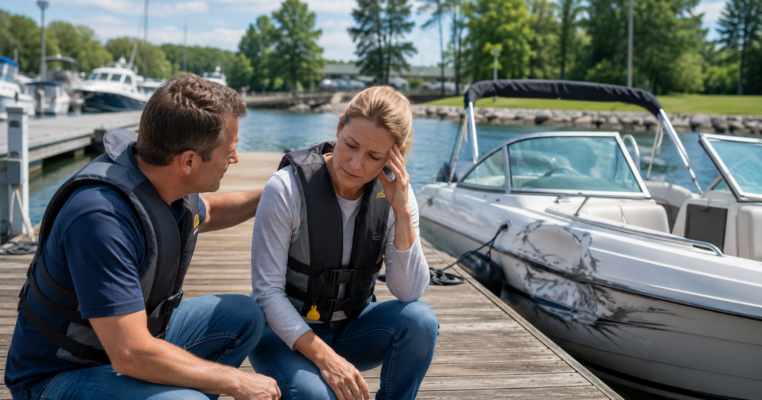
New York State has strict boating accident reporting requirements under the Navigation Law. Any accident resulting in death, injury, or property damage exceeding $2,000 must be reported to the New York State Police Marine Unit. This law is in place to protect victims, establish accountability, and provide clear documentation for insurance and legal purposes. When making a report, include precise details such as the date, time, location, names and addresses of all operators and witnesses, a description of damages and injuries, and any diagrams or sketches that illustrate the sequence of events. Reporting as soon as possible not only fulfills legal obligations but also helps establish credibility. Failure to comply with these regulations can result in fines and may complicate insurance or legal proceedings. Even if the accident appears minor, documenting it thoroughly ensures all parties’ rights are protected and prevents misunderstandings later.
Documenting and Preserving Critical Evidence
Preserving evidence immediately after a boating accident is crucial. This includes capturing photographs and videos of the scene, damaged vessels, personal injuries, and weather conditions. Collect witness statements and contact information while details are fresh in their minds. Keep a detailed journal that notes the time, conditions, actions taken, and interactions with other parties. Additionally, maintain copies of maintenance and safety records for all boats involved. Avoid altering the accident scene unnecessarily, as doing so could compromise the integrity of evidence. Proper documentation supports potential claims for compensation and can be invaluable in disputes regarding liability. For example, a photo showing the angle of impact, the relative position of vessels, or any visible safety hazards can significantly influence the outcome of a claim.

Benjamin J.
Andrews
Partner

Robert
Maranto
Partner

Tom
Kotrys
Partner

Robert J.
Maranto, III
Attorney

Thanon
Rezvi
Attorney

Rea Marcelo
Roxas
Attorney
Navigating Insurance After a Boating Accident
Insurance claims following a boating accident can be complex. Notify your insurance provider promptly, providing only factual accounts of what occurred without speculating or admitting fault. Keep meticulous records of all communications, medical bills, invoices, and repair estimates. Adjusters often attempt to minimize payouts, and thorough documentation ensures that your case is supported. In situations involving serious injuries, multiple parties, or commercial vessels, legal guidance is strongly advised to prevent errors that could diminish your recovery. Andrews, Bernstein & Maranto, PLLC can assist clients in dealing with insurance companies to protect their rights and maximize potential compensation, ensuring claims are handled accurately and efficiently.
Medical Attention and Health Considerations
Even when injuries seem minor, prompt medical evaluation is critical. Conditions such as concussions, internal bleeding, and delayed musculoskeletal injuries may not be immediately apparent. Receiving timely medical care not only protects your health but also provides necessary documentation for insurance claims and legal actions. Keep all medical records, test results, and doctor’s notes related to the accident. Consistent documentation of treatment and recovery supports your claim for damages, including compensation for medical expenses, rehabilitation, and ongoing care if injuries persist. Ignoring medical evaluation can lead to complications and weaken a claim for compensation.

The team is very personable, patient and empathetic with their clients. They are upfront with you and will explain the entire process with you, they never lead you to believe otherwise, they tell you like it is and will not sell you a million dollar dream. Trust in Andrews, Bernstein & Maranto, PLLC, they work for you and he looks out for your best interest.”
- Jane D.
Legal Guidance and When to Consult an Attorney
Engaging a skilled boating accident attorney is advisable whenever injuries are significant, liability is disputed, or multiple parties are involved. An attorney can help navigate reporting requirements, manage communication with insurers, and preserve critical evidence. They also advocate for fair compensation, including medical expenses, lost wages, pain and suffering, and property damage. Andrews, Bernstein & Maranto, PLLC has extensive experience representing boating accident victims in Buffalo and surrounding areas, providing guidance that helps protect clients’ rights and achieve optimal outcomes. Consulting an attorney early ensures that critical deadlines are met and reduces the risk of inadvertently compromising a claim.
Practical Considerations for Boaters
While boating accidents are often unexpected, certain practices can help mitigate risks and protect legal interests. Always ensure that life jackets and safety equipment are accessible, follow navigation rules, and maintain your vessel properly. Documenting boat maintenance, safety checks, and training can demonstrate diligence and compliance with New York boating regulations. Additionally, keeping emergency contact information and witness details readily available ensures that information can be collected accurately if an incident occurs. Boaters should remain calm and methodical, focusing on safety and evidence preservation rather than attempting to assign blame immediately at the scene.
Related Videos
Should I Take The First Settlement Offer?
Steps to File a Personal Injury Claim
Steps to Strengthen a Potential Claim
Following a boating accident, a systematic approach can strengthen any potential claim for damages:
- Seek immediate medical attention and follow through with all recommended treatments.
- Report the accident to the State Police Marine Unit, including detailed accounts of the incident.
- Preserve evidence with photos, videos, witness information, and written records.
- Notify your insurance provider with factual information and maintain thorough records of all communications.
- Consult a boating accident attorney early, especially when injuries are severe or liability is contested.
These steps ensure compliance with state laws, protect rights, and create a clear record for insurers and courts. Timely, accurate documentation and legal support can make the difference between a denied claim and full compensation.
Long-Term Considerations After a Boating Accident
Accidents on the water can have long-lasting effects, from physical injuries to emotional trauma. Maintain ongoing medical treatment as necessary and document any continued impact on work or daily activities. Legal claims may take time to resolve, especially if complex liability issues are involved. Andrews, Bernstein & Maranto, PLLC assists clients throughout the recovery and legal process, helping coordinate medical, insurance, and legal aspects to ensure a comprehensive approach to compensation and care.
Being involved in a boating accident in New York requires prompt action, careful documentation, and legal awareness. By prioritizing safety, reporting the accident, preserving evidence, engaging with insurance properly, and consulting an experienced attorney, victims can protect their rights and maximize recovery. Following these steps provides a structured approach during a stressful and confusing time, ensuring both immediate safety and long-term legal protection.
Verdicts & Settlements