
Andrews, Bernstein & Maranto, PLLC frequently assists clients in Buffalo and across New York who have been involved in car accidents during rainy spring weather, a season notorious for hazardous road conditions. The combination of melting snow, spring showers, and lingering debris creates slippery surfaces that can drastically increase the likelihood of collisions. Drivers may underestimate the dangers of wet roads, assuming that routine precautions are sufficient, yet even minor misjudgments can result in serious accidents. Understanding how fault is determined in these situations is critical for protecting your legal rights, ensuring proper compensation, and navigating insurance claims effectively. This discussion will provide insight into New York law regarding fault, factors that contribute to accidents in wet conditions, and essential steps for drivers involved in collisions to safeguard their cases.










Why Rainy Roads Pose Higher Risks 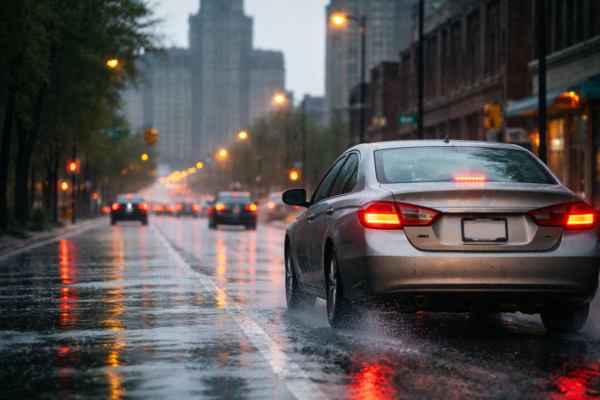
Rain affects traction, visibility, and stopping distances, making spring driving uniquely challenging. Even light rain can leave thin layers of water on asphalt that reduce tire grip, while heavier rainfall creates standing water that increases the risk of hydroplaning. Drivers often struggle to adjust speed appropriately for these conditions, particularly when traffic signals and road markings are partially obscured by rain or road wear. In addition, potholes, faded lane markings, and uneven surfaces common in Western New York contribute to hazardous driving conditions during spring showers. When visibility is reduced, it becomes more difficult to judge distances, interpret the actions of other drivers, and respond quickly to sudden hazards, which can turn a minor driving error into a serious accident.
Common Contributing Factors to Rain-Related Collisions
Several behaviors and conditions typically contribute to crashes during rainy spring weather. Excessive speed for wet conditions, tailgating, distracted driving, and failure to maintain proper vehicle maintenance all increase the likelihood of collisions. Hydroplaning, where a car’s tires lose contact with the road surface, is a frequent factor in wet-weather accidents, especially in vehicles with worn tires or underinflated tires. Sudden braking and swerving are also common when drivers attempt to regain control after encountering slippery surfaces, often resulting in multi-vehicle accidents. Reduced visibility caused by heavy rainfall or windshield mist adds another layer of risk, as drivers may be unable to react in time to other vehicles, pedestrians, or obstacles in the roadway.
Partner Partner Partner Attorney Attorney Attorney
Benjamin J.
Andrews
Robert
Maranto
Tom
Kotrys
Robert J.
Maranto, III
Thanon
Rezvi

Rea Marcelo
Roxas
New York’s No-Fault System and Its Implications
New York’s no-fault insurance system provides that drivers’ own insurance policies cover medical bills and lost wages, regardless of who caused the accident. While this system ensures prompt medical coverage, fault still matters in several situations, including property damage claims, pursuing compensation beyond the no-fault thresholds, and seeking damages for pain and suffering. Determining liability in wet-weather accidents is therefore crucial, as it impacts not only insurance payouts but also potential legal claims against the at-fault driver. Understanding your rights and responsibilities under New York law helps prevent disputes and ensures that victims receive appropriate compensation.
How Fault Is Determined in Rain-Related Accidents
Even when roads are slick, all drivers have a legal duty to operate their vehicles with reasonable care. Insurance adjusters, police reports, and courts examine several factors to determine fault in wet-weather collisions. These include the speed of the vehicles relative to road conditions, following distance, adherence to traffic signals and signs, and the condition of the vehicle itself. For example, a driver who is speeding on wet pavement or following too closely behind another vehicle may be found partially or fully at fault. Comparative negligence laws in New York mean that if both drivers share responsibility, damages are adjusted according to the percentage of fault. A driver who is 25% at fault, for example, would have their recovery reduced by that percentage.
The team is very personable, patient and empathetic with their clients. They are upfront with you and will explain the entire process with you, they never lead you to believe otherwise, they tell you like it is and will not sell you a million dollar dream. Trust in Andrews, Bernstein & Maranto, PLLC, they work for you and he looks out for your best interest.” - Jane D.
Critical Evidence in Rainy Weather Crashes
Collecting strong evidence immediately after an accident can greatly impact the determination of fault. Photos and videos of the accident scene, road conditions, and vehicle damage are invaluable. Witness statements and police reports provide objective documentation of the events. Weather data, including rainfall intensity and visibility reports, helps establish conditions at the time of the collision. Additionally, vehicle maintenance records, such as tire tread depth and brake condition, can demonstrate whether mechanical factors contributed to the accident. Retaining this evidence early is essential for building a robust case and ensuring that insurance claims or legal proceedings accurately reflect the circumstances of the crash.
Steps to Take Immediately After a Wet-Road Collision
When involved in an accident on rainy roads, your first priority should be safety. Move to a secure location if possible and ensure that all parties are safe. Contact law enforcement to report the accident and obtain an official report, which may be critical for insurance and legal purposes. Exchange information with other drivers, including names, addresses, insurance details, and vehicle registration numbers. Document the scene thoroughly with photographs and notes, capturing road conditions, damage, and any contributing hazards. Seek medical attention for all injuries, even if they appear minor, to create a record that supports potential claims. Finally, contacting an experienced local attorney, such as the team at Andrews, Bernstein & Maranto, PLLC, ensures that your rights are protected and that fault is accurately evaluated.
Should I Take The First Settlement Offer? Steps to File a Personal Injury ClaimRelated Videos
The Importance of Local Expertise
Buffalo and Western New York have unique road conditions, including uneven surfaces, potholes, and seasonal weather patterns. Attorneys with local knowledge understand these conditions and how they can influence fault determinations. They can also navigate the nuances of New York law, from comparative negligence rules to insurance claims and property damage evaluation. Working with attorneys who have experience handling wet-weather collisions in your area improves the likelihood of a fair resolution and helps avoid pitfalls that can arise when inexperienced representatives manage complex claims.
Insurance Considerations in Rain-Related Accidents
Prompt notification to your insurance company is critical. Provide all documentation, but avoid admitting fault in statements or reports, as these may be used against you. Skilled attorneys can act as intermediaries with insurers, ensuring that your claim is properly managed while protecting your legal rights. Insurance adjusters may attempt to assign fault based on limited evidence, and early legal guidance helps prevent misrepresentation of the circumstances.
Situations That May Require Legal Action
Certain conditions justify pursuing legal action beyond standard insurance claims, including:
- Severe or permanent injuries
- Disputes over fault or insurance coverage
- Property damage exceeding no-fault limits
- Collisions involving uninsured or underinsured drivers
By taking swift action, preserving evidence, and consulting experienced attorneys, victims can maximize their chances of obtaining full compensation.
Verdicts & Settlements
Preventing Rain-Related Collisions
While accidents cannot always be avoided, drivers can reduce risk by adjusting speed for wet conditions, increasing following distances, maintaining proper tire pressure and tread, and keeping windshield wipers in good condition. Defensive driving, heightened awareness, and cautious decision-making are essential during spring rainfall, especially on high-traffic roads or in areas with known hazards.
Rainy spring weather in New York presents a real hazard for drivers, but understanding fault determination, collecting proper evidence, and acting quickly can help protect your legal and financial interests. If you or a loved one are involved in a wet-weather collision, Andrews, Bernstein & Maranto, PLLC can provide guidance, evaluate fault, and advocate for fair compensation. Their experience with local road conditions and New York law ensures that accident victims receive the attention and legal support they need. Contact their Buffalo office for a consultation and take the first step toward resolving your case confidently.
To learn more about this subject click here: Did You Hurt Your Neck or Back in a Car Accident?