As the crisp air of autumn settles into Western New York (WNY), many people eagerly anticipate the arrival of hunting season. For hunters, it’s a time to immerse themselves in nature, enjoying the thrill of the chase. For drivers, however, it’s a period that poses unique dangers on the road. The combination of hunters’ increased activity, unpredictable weather, and the rise in wildlife encounters creates a dangerous environment for both hunters and drivers. In this blog post, we’ll explore how hunting season increases the risk of car accidents in WNY, what steps you should take if you’re involved in an accident, and who can be held responsible, including both drivers and landowners.






Why Car Accidents Increase During Hunting Season in WNY 
The hunting season in WNY is one of the busiest and most exciting times of the year. However, this increase in activity can lead to heightened risks for drivers, pedestrians, and hunters alike. There are several key reasons why car accidents become more frequent during this period.
Reduced Visibility
The shorter days of fall mean that more people are driving in low-light conditions. Fog, mist, and rain are also more common during the fall, further reducing visibility on the roads. Drivers are often caught off guard when hunters and other motorists unexpectedly appear on the road, especially during the early morning or late evening hours when visibility is at its worst.
Many drivers fail to adjust their driving behavior for these environmental factors, and they may not be prepared for sudden, unexpected obstacles. This includes encountering hunters, wildlife crossing roads, or even vehicles that have slowed or stopped because of hunters walking along the roadside.
Wildlife Crossings
As the hunting season commences, wildlife such as deer, wild turkeys, and smaller animals are more active. They may venture closer to roadsides or cross them in search of food, water, or shelter. In rural and suburban areas, where many hunting activities take place, the likelihood of a vehicle colliding with wildlife increases. A deer darting out from the woods can lead to a serious accident, particularly if the driver cannot react quickly enough.
Partner Partner Partner Attorney Attorney Attorney
Benjamin J.
Andrews
Robert
Maranto
Tom
Kotrys
Robert J.
Maranto, III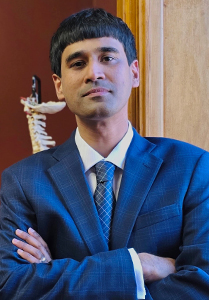
Thanon
Rezvi

Rea Marcelo
Roxas
A study of car accidents in rural areas in WNY showed that wildlife collisions are especially common in the fall, with the peak of deer activity occurring from mid-October through early December. These accidents not only involve the destruction of property and vehicle damage but can also cause significant injuries or fatalities to both drivers and passengers.
Distracted Driving
During the hunting season, drivers are more likely to become distracted by wildlife sightings or by hunters moving along roadsides. They may even stop to watch, adding more time to the distraction. In some cases, drivers may also become distracted by other drivers on the road, particularly if they are unsure of the road conditions due to fog, wildlife, or hunters nearby.
Additionally, hunters traveling to or from their hunting locations may not be as vigilant in watching for other vehicles on the road. With hunting gear and firearms in their vehicles, some hunters may be distracted when unloading their equipment or getting ready to set out for their hunt.
Steps to Take if You Are Involved in a Car Accident During Hunting Season
Accidents during hunting season are unfortunately common, but knowing how to respond in the aftermath can make a significant difference in your ability to file a claim and receive compensation. Here are the crucial steps to take if you are involved in a car accident in WNY during the hunting season.
The team is very personable, patient and empathetic with their clients. They are upfront with you and will explain the entire process with you, they never lead you to believe otherwise, they tell you like it is and will not sell you a million dollar dream. Trust in Andrews, Bernstein & Maranto, PLLC, they work for you and he looks out for your best interest.” - Jane D.
1. Seek Immediate Medical Attention
Even if your injuries seem minor at first, it’s essential to seek medical attention right away. Sometimes injuries, such as whiplash, concussions, or soft tissue injuries, can take hours or even days to manifest. Medical records will also be crucial in supporting your case for compensation later.
If you or others involved in the accident are injured, don’t hesitate to call an ambulance. Even if you think you’re fine, getting checked out by a healthcare professional ensures you don’t miss any potential injuries.
2. Call the Police to Report the Accident
Always call the police to report the accident, even if it seems minor. An official police report is a critical piece of evidence when filing insurance claims and can also be used to prove negligence if the case goes to court. The report will document key details about the accident, including the location, time, weather conditions, and any potential witnesses.
If the accident involved a wildlife collision, make sure to mention this, as it could impact your case. In some instances, wildlife-related accidents may be treated differently by insurance companies, particularly in areas where animals are known to be more active during hunting season.
Should I Take The First Settlement Offer? Steps to File a Personal Injury ClaimRelated Videos
3. Gather Evidence
Collect as much evidence as you can at the scene. This includes taking photos of the damage to all vehicles involved, any wildlife that may have been struck, and the surrounding area. If there were any witnesses, ask for their contact information, as their testimony could be helpful in proving fault.
It’s also important to write down the details of the incident while it’s still fresh in your mind. Include information about the weather conditions, time of day, and what you observed, including whether any hunters were nearby.
4. Contact Your Insurance Company
Contact your insurance provider as soon as possible to report the accident. They will guide you through the claims process and may help you navigate the complexities of dealing with wildlife accidents or accidents caused by distracted hunting activities.
If the other driver was at fault or there were other negligent parties involved (such as a landowner), your insurance company will help determine whether the other party’s insurance should cover your damages. If you’re unsure about the claims process, working with an attorney can ensure you don’t miss any deadlines or necessary steps.
Who Can Be Held Liable for Hunting Season Accidents?
Determining who is liable in a hunting season accident can be complicated, especially when multiple parties are involved. Depending on the circumstances, both the driver and the landowner may be held liable.
Verdicts & Settlements
Claims Against Drivers
If a driver’s negligence caused the accident, they can be held liable for the resulting injuries and damages. For instance, if a driver is distracted by wildlife or hunters and fails to exercise proper care on the road, they may be considered at fault. Additionally, if the driver was speeding, driving under the influence, or failing to yield to wildlife, their insurance may be responsible for compensating the victims.
Claims Against Landowners
In some cases, landowners may be held responsible for accidents that happen on or near their property. For example, if a landowner fails to post proper signage indicating no hunting or other safety precautions, they could be liable for accidents that occur because of their negligence.
Landowners can also be held liable if their failure to properly manage their property causes accidents. For instance, if an unkept fence allowed wildlife to wander onto a busy road, and a car accident occurred because of this, the landowner may be considered at fault.
Legal Recourse for Victims of Hunting Season Accidents
If you are injured in a car accident during the hunting season, you may be entitled to compensation for medical bills, vehicle repairs, lost wages, pain and suffering, and other damages. A personal injury lawyer can help you navigate the complex claims process.
Investigating the Cause of the Accident
An experienced attorney can help investigate the cause of the accident to determine whether a driver’s negligence, wildlife activity, or a landowner’s failure to manage their property contributed to the crash. They will gather evidence, interview witnesses, and examine all aspects of the accident to build a strong case on your behalf.
Negotiating with Insurance Companies
Dealing with insurance companies can be a frustrating and time-consuming process, especially when they try to minimize your claim. A personal injury lawyer can help you negotiate with insurance providers to ensure that you receive a fair settlement for your injuries.
Representing You in Court
If your case cannot be settled through negotiation, your attorney will represent you in court. They will present your case to a judge and jury, fighting for your rights and ensuring that you are compensated for your injuries.
The hunting season in WNY brings both excitement and risks. Drivers should remain vigilant and adjust their driving habits to account for reduced visibility, wildlife crossings, and distracted driving. If you’re involved in an accident during this time, it’s important to seek medical attention, report the incident, and contact a personal injury attorney.
At Andrews, Bernstein & Maranto, PLLC, we are experienced in handling car accident cases, including those that occur during the hunting season. If you’ve been injured, contact us for a free consultation, and let us help you navigate the claims process and secure the compensation you deserve.
This article is for informational purposes only and is not legal advice. Consult an attorney about your specific situation.
To learn more about this subject click here: 3 Types of Car Accidents