
In Buffalo, winter brings a unique set of challenges for bus and rideshare passengers. Icy roads, snowstorms, and reduced visibility can lead to serious accidents, resulting in various injuries. Victims of such accidents should document their injuries and the accident scene as quickly as possible to preserve crucial evidence for their case. This guide explains the common injuries sustained in these accidents and offers a comprehensive overview of what victims need to document immediately to protect their legal rights. At Andrews, Bernstein & Maranto, PLLC, we understand how devastating these accidents can be and are here to guide you through the process.
Winter in Buffalo is notorious for its icy roads, snowstorms, and hazardous driving conditions. Unfortunately, these factors increase the likelihood of bus and rideshare accidents during the colder months. Whether you’re commuting by bus or using a rideshare service like Uber or Lyft, the risk of an accident is elevated during winter, especially when road conditions become treacherous. These accidents can cause a wide range of injuries, from minor to life-altering, and documenting the details of the accident and injuries immediately is critical to protecting your rights. If you or someone you know has been injured in such an accident, it’s important to act quickly. Andrews, Bernstein & Maranto, PLLC is dedicated to helping Buffalo residents navigate the legal complexities of personal injury claims, ensuring victims receive the compensation they deserve.













Common Injuries Sustained in Winter Bus and Rideshare Accidents 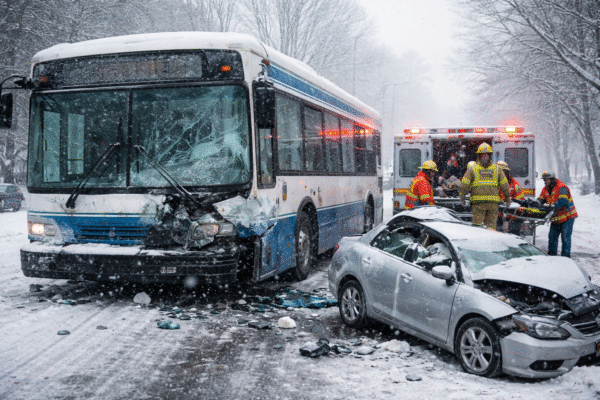
The types of injuries sustained in winter bus and rideshare accidents can vary, but certain injuries are more common due to the unique nature of these accidents. In icy conditions, even minor collisions can lead to severe consequences for passengers and drivers alike.
- Slip and Fall Injuries:
Winter accidents often involve slips and falls, either while entering or exiting the vehicle. The icy conditions make it more challenging to maintain balance, leading to sprains, fractures, and contusions. Passengers may fall while walking to the bus stop or attempting to board a rideshare vehicle. In some cases, the impact can result in broken bones, especially in older adults, or head injuries from hitting the pavement. These types of injuries can be more serious in Buffalo’s cold winters when medical help may take longer to arrive due to the weather. - Whiplash and Neck Injuries:
One of the most common injuries in bus and rideshare accidents, especially in rear-end collisions, is whiplash. The sudden force of the impact can cause the head and neck to snap forward and backward quickly, damaging the soft tissues of the neck and spine. Symptoms of whiplash may include neck pain, stiffness, headaches, and dizziness. While some victims may recover in a few weeks, others experience chronic pain and long-term complications, which may require extensive medical treatment. - Spinal Injuries:
Spinal injuries are particularly concerning in winter accidents due to the force of the collision and the added risk of slipping during the incident. In severe cases, spinal injuries can result in paralysis or permanent nerve damage. Victims may experience immediate symptoms such as severe back pain, numbness in the limbs, or difficulty moving. Spinal injuries require prompt medical attention and often require a long recovery period with rehabilitation. - Head and Brain Injuries:
Head injuries, including concussions and traumatic brain injuries (TBI), are common in bus and rideshare accidents. Even if a passenger is wearing a seatbelt, the sudden force of a crash can cause them to hit their head on the interior of the vehicle or be struck by debris. Symptoms of a brain injury can range from mild concussions to more severe injuries that impact cognitive function, motor skills, and speech. Immediate medical care is necessary, as brain injuries can worsen over time. - Broken Bones and Fractures:
Injuries to the limbs are common in accidents involving buses or rideshare vehicles. These injuries can occur when passengers are thrown forward or sideways during the impact. Fractures to the arms, legs, and ribs are frequently seen, and the severity depends on the force of the collision and the position of the passenger in the vehicle. Broken bones often require surgery or long-term rehabilitation to recover fully. - Soft Tissue Injuries:
In addition to whiplash, soft tissue injuries such as sprains, strains, and ligament tears can occur in winter accidents. The jolt from the impact can cause muscles and tendons to stretch or tear, leading to bruising, swelling, and pain. These injuries may not always be immediately apparent, but they can cause long-term discomfort and limit mobility if not treated properly.
Partner Partner Partner Attorney Attorney
Benjamin J.
Andrews
Robert
Maranto
Tom
Kotrys
Robert J.
Maranto, III
Thanon
Rezvi
What Victims Should Document Immediately
If you’ve been involved in a winter bus or rideshare accident, documenting the accident and your injuries as soon as possible can make all the difference in the outcome of your personal injury claim. Here’s what you should do:
- Take Photos of the Accident Scene:
Photographs provide strong evidence for your case. Take pictures of the vehicles involved, the surrounding area, and any hazards such as icy roads or poor weather conditions that contributed to the crash. If there are visible injuries, take close-up photos of bruises, cuts, or swelling. These images can support your claim and help establish the severity of your injuries. - Gather Witness Information:
If there are any witnesses to the accident, make sure to collect their contact details. Their statements could help corroborate your version of events, especially if there is a dispute over what caused the accident. If possible, ask them to write down what they saw or heard. - Obtain the Police Report:
If law enforcement responded to the accident, ensure that a police report was filed. This report will contain important details about the incident, such as the time and location of the accident, the names of the drivers involved, and any citations issued. It can serve as a vital piece of evidence in your claim. - Get Medical Attention Immediately:
Even if you don’t feel injured right away, it’s important to see a doctor. Some injuries, such as whiplash or concussions, may not present symptoms until hours or days after the accident. A prompt medical evaluation ensures that your injuries are documented in your medical records. These records will be crucial if you need to pursue a personal injury claim. - Document Your Injuries and Treatment:
Keep track of all medical appointments, treatments, and medications you receive. If your injuries are severe, you may need to undergo surgery, physical therapy, or other treatments. Documenting these details will help demonstrate the extent of your injuries and how they have affected your life. - Record Any Lost Wages:
If your injuries prevent you from working, keep a record of the time you’ve missed from work. You may be entitled to compensation for lost wages, and this documentation can help calculate the value of your claim. - Driver and Insurance Information:
Be sure to obtain the driver’s name, contact information, license plate number, and insurance details. This information will be necessary for filing a claim with the insurance companies involved. If the accident was caused by a rideshare driver, request the driver’s ID and insurance details through the rideshare company.
The team is very personable, patient and empathetic with their clients. They are upfront with you and will explain the entire process with you, they never lead you to believe otherwise, they tell you like it is and will not sell you a million dollar dream. Trust in Andrews, Bernstein & Maranto, PLLC, they work for you and he looks out for your best interest.” - Jane D.
Steps to Take After a Winter Bus or Rideshare Accident
After an accident, taking the right steps can protect your health and legal rights. Here’s a step-by-step guide to follow:
- Ensure Safety First:
If possible, move to a safe location away from the road. If you are unable to move, remain in the vehicle until help arrives. Your safety is the top priority. - Get Medical Help:
Even if your injuries seem minor, see a healthcare provider immediately. Some injuries may not be immediately noticeable, and early treatment can prevent complications later on. - Contact an Experienced Personal Injury Attorney:
After you’ve sought medical attention, reach out to a personal injury lawyer. An attorney who specializes in accidents in Buffalo can provide the expertise you need to navigate the legal process. They can help gather evidence, communicate with insurance companies, and ensure your rights are protected. - File an Insurance Claim:
Notify your insurance company about the accident and your injuries. New York State’s no-fault insurance system may cover certain medical expenses and damages, regardless of who caused the accident. Your lawyer will help guide you through the insurance claims process.
Winter bus and rideshare accidents in Buffalo are unfortunately all too common, and the icy conditions increase the potential for serious injuries. If you’ve been involved in an accident, documenting your injuries and the circumstances immediately can play a crucial role in the outcome of your personal injury claim. By gathering evidence, obtaining medical attention, and consulting with an experienced attorney, you can ensure that your rights are protected and that you receive the compensation you deserve. If you or a loved one has been injured in a bus or rideshare accident in Buffalo, contact Andrews, Bernstein & Maranto, PLLC today to schedule a consultation and learn how we can help you through this challenging time.
To learn more about this subject click here: What You Should Know About a Rideshare Accident
Should I Take The First Settlement Offer? Steps to File a Personal Injury ClaimRelated Videos