
As the cold grip of winter fades and the temperatures rise, New York residents face a different set of hazards: the dangers of melting snow and ice during the spring thaw. Melting ice, water runoff, and refreezing puddles can create dangerous conditions for pedestrians, motorists, and property owners. Property owners need to understand their liability for injuries that occur as a result of these hazards. This is crucial information, particularly in New York, where laws regarding snow and ice removal differ based on property ownership. Andrews, Bernstein & Maranto, PLLC offers insight into the legal responsibilities surrounding these seasonal dangers and what steps can be taken to avoid accidents.







Understanding Spring Thaw Hazards in New York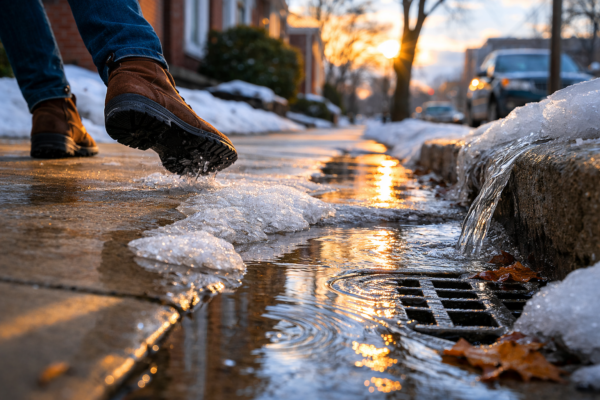
Spring in New York can be a beautiful time of year, but it also brings unique risks, especially when it comes to the spring thaw. As the snow begins to melt, water runoff, ice patches, and the risk of slipping or falling increase. During this season, both residential and commercial property owners face the challenge of ensuring their properties are safe. Here’s a breakdown of common hazards during the thaw:
- Icy Patches and Slippery Sidewalks: As temperatures rise, melting snow often refreezes overnight, creating dangerous ice patches. This is especially common in the early mornings and evenings when temperatures dip. These slick spots pose a significant threat to pedestrians, leading to slips, trips, and falls.
- Water Runoff and Flooding: As snow melts, it creates large volumes of water that flow through streets, sidewalks, and parking lots. In many cases, this water runoff can form large puddles or flood areas that were once dry. If not properly managed, these pools of water can cause accidents or even property damage.
- Falling Ice and Snow from Roofs: With the spring thaw, ice and snow that have accumulated on roofs during the winter may suddenly break loose and fall onto the ground below. This is particularly dangerous to pedestrians walking near buildings, as falling icicles or chunks of ice can cause serious injuries or even fatalities.
- Clogged Drains: In New York, drainage systems can quickly become overwhelmed by melting snow, especially when leaves or debris clog drains. Blocked gutters and downspouts can lead to water pooling on streets and sidewalks, which further increases the risk of slip-and-fall accidents.
Partner Partner Partner Attorney Attorney Attorney
Benjamin J.
Andrews
Robert
Maranto
Tom
Kotrys
Robert J.
Maranto, III
Thanon
Rezvi

Rea Marcelo
Roxas
Who Is Responsible for Injuries During the Spring Thaw?
In New York, property owners have a legal responsibility to maintain safe conditions on their property, including during the spring thaw season. Whether you own a home, a commercial building, or even public property, the law typically requires that you take steps to prevent injuries caused by snow and ice. Let’s explore who is responsible for accidents that happen during the thaw:
Homeowners’ Responsibility
If you are a homeowner in New York, you have a duty to maintain safe conditions on your property, including during the spring thaw. This means you are responsible for clearing ice and snow from your driveway, sidewalks, and any walkways that lead to your home. If someone slips and falls on your property due to accumulated ice or snow, you could be held liable for their injuries.
It’s important to note that homeowners are not necessarily responsible for every injury that occurs. For instance, if a hazardous condition (like ice) naturally forms and the homeowner didn’t have sufficient time to address it, liability may not apply. However, homeowners are expected to act promptly to remove dangerous ice and water buildup when possible.
Commercial Property Owners’ Responsibility
Businesses face even stricter requirements. Commercial property owners are obligated to maintain safe premises for their customers, employees, and visitors. This includes removing ice, snow, and water runoff from walkways, entrances, parking lots, and any public-access areas. If an injury occurs due to unsafe conditions on commercial property, the property owner could be held liable.
New York law holds businesses to a higher standard than residential property owners, especially when it comes to ensuring public safety. Business owners should also ensure proper signage is in place if hazardous conditions are unavoidable, such as when excessive snow and ice accumulation is expected during a heavy thaw.
The team is very personable, patient and empathetic with their clients. They are upfront with you and will explain the entire process with you, they never lead you to believe otherwise, they tell you like it is and will not sell you a million dollar dream. Trust in Andrews, Bernstein & Maranto, PLLC, they work for you and he looks out for your best interest.” - Jane D.
Liability for Public Property: Municipalities and Local Governments
When it comes to public property—such as sidewalks, streets, and parking lots owned by the city or county—the responsibility for removing snow and ice typically falls on the municipality or local government. However, New York law offers limited liability protection for municipalities in certain cases. That means if you are injured on a public sidewalk or road due to melting ice or water runoff, the government might not be liable unless it can be proven that the local government acted with gross negligence or failed to maintain the property adequately.
This means that, for example, if an individual slips on an icy sidewalk and can demonstrate that the municipality had a reasonable amount of time to address the ice buildup, the city or town could be held liable. However, in many cases, the injured party must show that the municipality’s actions or inactions contributed directly to the hazard.
Common Defenses to Liability Claims
Property owners may have defenses available to them if they are sued for injuries caused by ice or snow on their property. Some common defenses include:
- Natural Accumulation: In New York, property owners are typically not liable for natural accumulations of ice and snow. If the ice or snow formed naturally due to weather conditions and the owner didn’t have a reasonable opportunity to address it, they may not be held responsible for resulting injuries.
- Comparative Negligence: If the injured person was partially responsible for the accident (e.g., they were walking too quickly, distracted, or failing to watch where they were going), New York’s comparative negligence rule may reduce or eliminate the property owner’s liability. In this case, the injured person’s degree of fault would be considered when determining compensation.
- Contributory Factors: If the property owner can show that the accident was caused by factors beyond their control, such as excessive flooding that overwhelmed the property’s drainage system, they may have a valid defense.
Should I Take The First Settlement Offer? Steps to File a Personal Injury ClaimRelated Videos
How Property Owners Can Avoid Liability During the Spring Thaw
While accidents can happen, property owners in New York can reduce their risk of liability and ensure the safety of others by following these preventive steps:
- Timely Snow and Ice Removal: Property owners should remove snow and ice from their driveways, sidewalks, and parking lots as quickly as possible. If snow has melted, it should be cleared to prevent refreezing. This is especially important after overnight storms or during cold periods in the spring when melting water can quickly refreeze.
- Use Salt, Sand, or Gravel: Salt, sand, and gravel can be very effective at preventing ice buildup. Property owners should apply these materials after snow removal to ensure the surface stays safe. Salt is particularly useful in preventing ice from forming, but sand and gravel can offer additional traction.
- Ensure Proper Drainage: It’s important for property owners to regularly check gutters, drains, and downspouts to ensure they are clear of debris and functioning properly. This will help prevent flooding or water runoff from creating hazardous conditions on walkways.
- Clear Roofs of Snow and Ice: Homeowners and business owners should ensure that snow and ice on their roofs are regularly cleared to prevent large chunks from falling. This includes taking care of gutters to avoid icicle formation.
- Signage and Warnings: In areas where ice and water buildup cannot be avoided, placing warning signs to alert pedestrians or drivers can help mitigate the risk of accidents. This can be especially useful in commercial properties and public spaces.
Verdicts & Settlements
Spring thaw hazards, including melting ice and water runoff, are a seasonal reality in New York, but property owners can take steps to reduce the risk of injuries and minimize their liability. Understanding the legal responsibilities and implementing proactive safety measures is essential for homeowners, businesses, and municipalities alike. If you or someone you know has been injured due to hazardous conditions during the spring thaw, Andrews, Bernstein & Maranto, PLLC can help. Our experienced attorneys are ready to assist with navigating personal injury claims and ensuring your rights are protected.
To learn more about this subject click here: Slip and Fall Lawsuits vs. Insurance Settlements in New York