When Daylight Saving Time (DST) ends, it’s not just the clocks that change—your commute does too. With shorter days, evening driving conditions worsen, making it harder for drivers to see, react, and make good decisions. As dusk arrives earlier, the chances of accidents increase dramatically. If you’ve been injured in a crash caused by these less-than-ideal conditions, building a strong liability case is crucial.









In this blog, we will explore the heightened risks associated with post-DST commutes, the types of accidents that are more likely to happen, and how you can build a strong case for liability and compensation. Whether you’re the victim of a car accident, a pedestrian struck by a vehicle, or any other accident that occurred after the time change, this article will provide valuable insights into how to approach your legal case effectively.
Understanding the Risks After Daylight Saving Time Ends 
As we transition out of Daylight Saving Time, the clock isn’t the only thing changing. While many people are familiar with the change in their daily routines, what’s less understood is how this shift dramatically affects driving conditions, increasing accident rates. Here’s why:
1. Reduced Visibility
The most immediate and obvious effect of DST ending is the loss of daylight during rush hour. As the sun sets earlier, drivers are more likely to find themselves driving in low light or full darkness, which drastically reduces visibility on the roads. It’s far easier to overlook key hazards like pedestrians, cyclists, or other vehicles. Even road signs and obstacles become harder to spot.
This diminished visibility heightens the risk of accidents, as drivers may not notice approaching cars, stoplights, or pedestrians crossing the street. Reduced visibility is particularly dangerous in areas with poor street lighting, older infrastructure, or unfamiliar neighborhoods.
Partner Partner Partner Attorney Attorney Attorney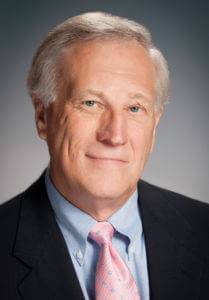
Benjamin J.
Andrews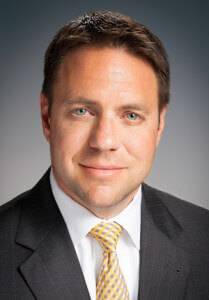
Robert
Maranto
Tom
Kotrys
Robert J.
Maranto, III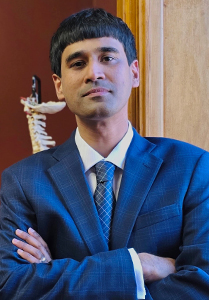
Thanon
Rezvi

Rea Marcelo
Roxas
2. Driver Fatigue and Adjustment
While the shift in time might seem like a small change, it can have significant effects on people’s physical and mental states. Many drivers experience fatigue after the clocks change. The disruption of their sleep schedules, combined with shorter days, means they’re more likely to feel drowsy during their commutes. Fatigued drivers are slower to react, more likely to make poor decisions, and can even fall asleep at the wheel.
Additionally, many people suffer from “jet lag” when transitioning out of DST, leaving them more prone to mistakes behind the wheel. Drivers may also misjudge their own alertness and end up driving more recklessly than they would on a typical day.
3. Increased Traffic and Congestion
As the days shorten, more people find themselves on the road in the dark. This includes not only commuters but also children going home from school, workers leaving late shifts, and pedestrians heading out to run errands. In short, more people on the road increases congestion, and with it, the potential for accidents.
Darker roads mean that drivers may not see pedestrians, cyclists, or even other cars as quickly, leading to higher likelihoods of collisions. More drivers on the roads also increase the chance of aggressive driving, tailgating, and even road rage incidents, all of which can contribute to crashes.
The team is very personable, patient and empathetic with their clients. They are upfront with you and will explain the entire process with you, they never lead you to believe otherwise, they tell you like it is and will not sell you a million dollar dream. Trust in Andrews, Bernstein & Maranto, PLLC, they work for you and he looks out for your best interest.” - Jane D.
Common Types of Accidents After DST Ends
Several types of accidents are more likely to occur after DST ends. Understanding these can help victims identify whether they have a valid liability case.
1. Rear-End Collisions
When it’s darker and visibility is impaired, rear-end collisions become much more common. Drivers may not see the brake lights of the vehicle in front of them or misjudge the distance between vehicles. If a driver is speeding or failing to adjust their speed for poor visibility, they might rear-end another car. In these cases, the driver who caused the rear-end collision is often at fault due to their inability to maintain a safe distance, regardless of the environmental conditions.
2. Pedestrian and Bicycle Accidents
As it gets darker, pedestrians and cyclists are at a higher risk of being involved in accidents. Drivers may not see them until it’s too late. Pedestrians, especially in cities or towns with inadequate lighting, can become difficult to spot in the dark. Bicyclists, too, are often not visible enough during evening hours, especially if they aren’t using proper lighting or reflective gear.
In these cases, the driver may still be liable for the accident, even if the pedestrian or cyclist was not wearing visible clothing. The burden often falls on the driver to adjust their driving to account for visibility, road conditions, and time of day.
Should I Take The First Settlement Offer? Steps to File a Personal Injury ClaimRelated Videos
3. Motorcycle Accidents
Motorcycle accidents also spike during the transition out of DST. Motorcyclists, in particular, face the dual challenges of reduced visibility and diminished reaction time. The chance of a fatal accident is significantly higher on a motorcycle, particularly if the driver is speeding or not wearing the proper safety gear.
Riders may struggle to see other vehicles on the road due to low light, and drivers in other cars may not notice a motorcycle until it’s too late. Additionally, the post-DST period coincides with colder weather, which can make road conditions more treacherous for motorcyclists.
How to Build a Strong Liability Case
If you’ve been involved in an accident after Daylight Saving Time ends, it’s important to approach your case with a solid strategy to ensure you can recover fair compensation. Here’s what you need to do:
1. Document the Scene and Gather Evidence
The more evidence you can gather immediately following the accident, the stronger your case will be. Take photographs of the accident scene, focusing on road conditions, weather, and visibility. If there are any specific environmental factors, such as low lighting or unclear signage, capture them in your images.
It’s also crucial to obtain a copy of the police report, as this will contain valuable information about how the accident occurred, the extent of injuries, and any contributing factors.
Verdicts & Settlements
2. Obtain Witness Statements
Eyewitnesses can be essential in proving who was at fault in an accident. Their statements can provide context to the situation and offer further evidence of what happened before, during, and after the crash. If any drivers or pedestrians saw the accident, be sure to gather their contact details for later use.
3. Medical Documentation and Treatment
Ensure that you receive medical treatment as soon as possible after the accident. Documenting your injuries will be critical for proving the severity of your damages. If you need long-term treatment, therapy, or surgeries, keep track of all medical appointments, prescriptions, and treatments. This documentation will help quantify the damages you’re entitled to claim.
4. Consult an Experienced Personal Injury Lawyer
If you’re injured in an accident, consulting a skilled personal injury lawyer will give you the best chance of receiving the compensation you deserve. A lawyer can help you:
- Navigate complex insurance negotiations
- Understand your rights and responsibilities
- Provide a realistic assessment of your case
- Build a strong argument using expert testimony, medical records, and other evidence
A lawyer can also represent you in court if necessary, ensuring that your case is presented effectively and that you have the best chance of recovering damages.
The Role of Insurance Companies in Post-DST Accidents
Insurance companies often attempt to minimize their payouts, especially in complex cases involving reduced visibility. In some cases, they may claim that the other party was partially responsible for the accident, even if environmental conditions were a significant factor.
Your personal injury lawyer will help you counter these arguments and make sure that insurance companies are held accountable for fair compensation. If the insurance company denies your claim or offers an insufficient settlement, your lawyer can take the matter to court.
Accidents that happen during the dusk commute after Daylight Saving Time ends are unfortunately common, but with the right approach, you can build a strong liability case and pursue the compensation you deserve. Understanding the heightened risks of reduced visibility and driver fatigue during this period will help you identify the factors contributing to your accident.
If you’ve been involved in such an accident, it’s important to consult with an experienced personal injury lawyer who can help guide you through the process. At Andrews, Bernstein & Maranto, PLLC, we are here to assist you in every step of your case to ensure that your rights are protected, and you recover the damages you are entitled to.
For more information or to schedule a free consultation, visit us at https://www.wnyinjurylawyers.com.
To learn more about this subject click here: New York Bicycle Accident Guide