You can bring a claim when a responsible party created the hazard or had legally sufficient notice and failed to respond reasonably, but the fall alone does not establish liability. Andrews, Bernstein & Maranto, PLLC reviews the controlling records and physical evidence for injured people in Buffalo, Western New York, and nearby areas. A guest accepts ordinary startle effects and some obvious features of a haunted attraction. That does not give an operator permission to hide an unrelated tripping hazard or ignore a dangerous route used by paying visitors.
A realistic hypothetical shows why details matter: a guest encounters an unmarked cable across a dark exit path, a loose stair tread, or a wet floor unrelated to the attraction’s effects. Investigators must separate background conditions from the act or omission that caused the harm, then identify the person or entity with a legal duty.
When a Haunted Attraction May Be Negligent
Potential responsibility should be mapped before anyone assumes that the most visible person is the only defendant. In seasonal attractions, farms, warehouses, and community event spaces around Buffalo and Western New York, ownership and control can be divided among several people or businesses.
The attraction operator may be liable if negligent design, inspection, crowd control, lighting, or maintenance created an unreasonable hazard.
The owner of the building or land may retain responsibility for structural conditions, while a tenant or event producer may control temporary routes and props.
A security, cleaning, electrical, or set contractor may be relevant if its work created the condition or if another recognized duty applies.
Ticket sellers and sponsors are not automatically responsible. Contracts and actual control help identify the proper parties.
A lawyer can compare contracts, insurance policies, ownership records, job duties, and witness accounts. That work helps identify who owed a duty, who controlled the risk, and which coverage may answer for a proven loss.

The team is very personable, patient and empathetic with their clients. They are upfront with you and will explain the entire process with you, they never lead you to believe otherwise, they tell you like it is and will not sell you a million dollar dream. Trust in Andrews, Bernstein & Maranto, PLLC, they work for you and he looks out for your best interest.”
- Jane D.
Expected Scares Versus Unreasonable Property Hazards
A New York premises claim usually requires proof that the defendant created the dangerous condition or had actual or constructive notice of it. The Court of Appeals explains in Gordon v American Museum of Natural History that constructive notice calls for a condition that was visible and apparent and existed long enough to be discovered and remedied. A fall proves injury, but it does not prove notice by itself.
Winter conditions add timing questions. The storm in progress rule may suspend a duty to remove newly accumulating snow or ice during an ongoing hazardous weather event and for a reasonable period after it ends. It does not answer whether earlier ice existed, whether snow work created a new hazard, or whether runoff repeatedly froze in the same place.
Legal rules must be applied to the proof in the individual case. This article provides general information and does not replace advice about a specific incident.

Benjamin J.
Andrews
Partner

Robert
Maranto
Partner

Tom
Kotrys
Partner
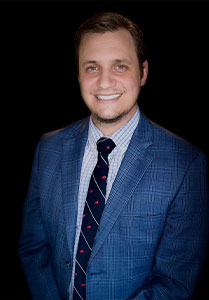
Robert J.
Maranto, III
Attorney
Thanon
Rezvi
Attorney

Rea Marcelo
Roxas
Attorney
Does a Ticket Waiver End the Claim
Good evidence records both the hazard and the timeline. A close photograph may show the condition, while a wider image explains visibility, traffic flow, lighting, warnings, and available routes. Original digital files are better than screenshots because they retain time and device information.
Records can be overwritten or discarded under routine retention practices. A preservation request can identify video, electronic data, maintenance documents, contracts, and physical items before they disappear. Medical records should also connect the diagnosis and treatment to the date and mechanism of the incident.
- photos taken before the set changes
- ticket terms and waivers
- incident reports
- inspection and maintenance records
- layout plans
- witness and employee accounts
Related Videos
Should I Take The First Settlement Offer?
Steps to File a Personal Injury Claim
Who Controlled the Building Props and Crowd
The physical setting may include unsecured cords, unexpected steps, wet exits, loose props, overcrowded passages, and missing emergency lighting. Each feature has to be connected to a duty and to the way the incident occurred. A condition that merely appears in a later photograph may not establish what existed at the critical time.
Common disputes include darkness was an expected part of the attraction; the guest accepted the risk; a warning was given; a release bars the claim.
Comparative fault requires evidence about what the injured person could reasonably see and do. A warning, an open condition, or an alternative route may matter, but those facts do not erase a defendant’s negligence automatically. Fault allocation depends on the rule governing the claim and the strength of the proof.
What Evidence Survives After the Season Ends
Your health comes first. Once immediate medical needs are addressed, practical steps can protect information that may otherwise be lost. Do not place yourself in danger to take a photograph or confront another person.
Give accurate facts in reports and medical histories. Avoid guessing about speed, timing, ownership, or the precise legal cause. A later investigation can answer those questions using records and qualified analysis.
- leave the immediate hazard only when safe
- report the fall and identify the exact room or exit
- obtain medical care
- save the ticket and online purchase terms
- request preservation of video and set records
Verdicts & Settlements
Questions an Investigation Should Answer
The investigation should test the event from more than one viewpoint. It should ask when the risk first appeared, who was present, what inspections or warnings occurred, and whether unsecured cords was visible before the incident. It should also compare written policies with what people actually did.
A useful reconstruction does not begin with a preferred defendant. It begins with the scene, the sequence, and the records. In this topic, the key documents may explain why missing emergency lighting mattered, whether anyone had time to respond, and whether another cause better fits the physical evidence.
The same facts also help test causation. Investigators can compare witness timing, physical marks, photographs, and business records to decide whether unexpected steps contributed to the event or merely happened to be nearby. That distinction keeps the claim focused on provable conduct and losses.
Comparative Fault and Filing Deadlines
A premises claim may seek documented medical expenses, lost income, reduced earning capacity, and pain and suffering when the law and evidence support those losses. Commercial general liability, property-management coverage, and contractor insurance may apply. The policy list often becomes clearer only after ownership and contracts are obtained.
Many New York personal-injury lawsuits fall under the three-year limitations provision in CPLR 214. That is not a universal deadline. A public defendant can trigger a notice of claim that is commonly due within 90 days under General Municipal Law Section 50-e, and wrongful-death, minor, or other special claims follow different rules.
Prompt investigation remains valuable even when a court deadline appears distant. Weather changes, video is overwritten, vehicles are repaired, seasonal sets are dismantled, and witnesses become harder to locate.
Request a Review of the Attraction and Ticket Evidence
A lawyer can review how the incident happened, identify possible responsible parties, locate available insurance, preserve relevant evidence, assess the injuries, and determine which deadlines apply. The firm’s related resources on slip accidents and its slip guide resource can help you prepare for that discussion.
Andrews, Bernstein & Maranto, PLLC offers free consultations from its Buffalo office at 420 Franklin St., Buffalo, NY 14202. If you were injured in Buffalo, Western New York, or a nearby area, you can request a case review without a promise or pressure about the result.