
Snowy weather can create hazardous driving conditions, and when you’re driving for work, the risks increase. If you find yourself injured in such circumstances, it’s essential to understand your rights and options. Whether you’re driving a company vehicle or your own while working, accidents in the snow are treated differently than those occurring under normal driving conditions. This guide will provide you with the necessary steps to take following an injury from driving in snow, the potential benefits available, and how to ensure you get the compensation you deserve.













The Unique Risks of Driving for Work in the Snow 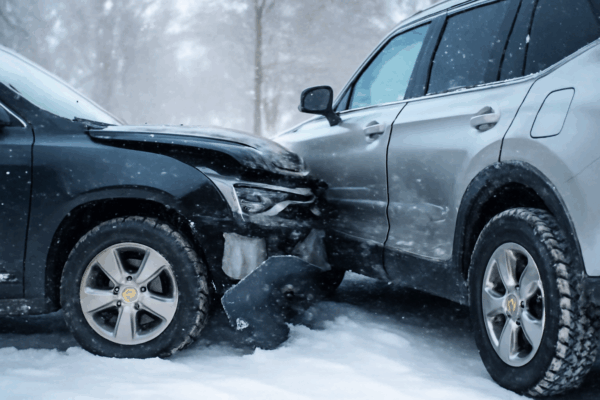
Winter weather brings a unique set of challenges for anyone who has to drive, but when your job requires you to be behind the wheel, these dangers increase. Snow, ice, and slush can make roads slippery, and when road conditions are poor, even the most careful driver can be involved in an accident. These hazardous conditions can cause serious injuries, especially in collisions with other vehicles, trees, or stationary objects. When you’re driving for work, the stakes are even higher.
For instance, if you’re making deliveries, traveling to meetings, or transporting goods, you’re more likely to spend extended periods on the road. Winter weather can turn a routine trip into a dangerous journey. The key difference between driving for personal reasons and driving for work is that in the latter case, there are legal protections that may be available to you that could help cover your injuries, lost wages, and other expenses.
What to Do Immediately After a Snow-Related Accident
If you’ve been injured while driving for work in snowy conditions, it’s critical to take the right steps in the immediate aftermath of the incident. The first thing to do is to seek medical attention. Even if the injury seems minor, it’s always best to err on the side of caution. After that, follow these important steps:
- Report the incident: Immediately inform your employer about the accident. Most companies have specific protocols for reporting workplace injuries, and failing to do so in a timely manner could affect your ability to claim compensation.
- Document the scene: If it is safe to do so, take photographs of the scene. This includes the vehicle damage, any visible injuries, the surrounding area (pay attention to poor road conditions), and any other factors that may have contributed to the accident. These photographs can be vital evidence for your case later.
- Get contact information: Make sure to exchange contact details with any other involved parties, including drivers, pedestrians, or witnesses. This information can help clarify the situation if legal action becomes necessary.
- File an accident report: Contact local authorities and file a police report. A report helps establish a clear, unbiased record of the accident, which can be important for your case.
Partner Partner Partner Attorney Attorney
Benjamin J.
Andrews
Robert
Maranto
Tom
Kotrys
Robert J.
Maranto, III
Thanon
Rezvi
Workers’ Compensation: Coverage for Injuries Sustained While Driving for Work
In most cases, if you’re injured while driving for work, you may be eligible for workers’ compensation benefits. Workers’ compensation is designed to cover medical expenses, a portion of lost wages, and other associated costs. However, there are specific conditions and guidelines that determine your eligibility:
- Job-related driving: You must prove that you were driving as part of your job duties. For example, if you were traveling to meet a client, delivering goods, or attending a business-related event, your injury may be covered under workers’ compensation. However, personal errands or deviations from work tasks typically wouldn’t qualify.
- Time and place of the accident: In workers’ compensation cases, timing and place are crucial. If the accident happens while you are on the clock or driving on a prescribed route, you are generally entitled to benefits.
Once you report the accident, your employer should guide you through the workers’ compensation claims process. If your claim is approved, workers’ compensation will cover medical bills, lost wages, and possibly vocational rehabilitation.
What Happens If Another Party is at Fault?
While workers’ compensation is a valuable resource, it may not be the only avenue for recovery. If your injury was caused by someone else’s negligence, such as another driver or a government entity responsible for road maintenance, you might be able to pursue a personal injury claim in addition to workers’ compensation.
- Negligent drivers: If another driver’s actions contributed to the accident, you may be able to file a lawsuit against them. This applies whether the driver was speeding, not maintaining control of their vehicle, or driving recklessly in snowy conditions.
- Government liability: If the snowstorm or icy conditions were exacerbated by poor road maintenance (e.g., lack of salting, snow plowing, or proper warning signs), you could have a case against the local government responsible for those roads.
Pursuing additional compensation through a third-party claim can be complicated, but it could result in greater financial recovery, including compensation for pain and suffering, emotional distress, and other non-economic damages that workers’ compensation does not cover.
The team is very personable, patient and empathetic with their clients. They are upfront with you and will explain the entire process with you, they never lead you to believe otherwise, they tell you like it is and will not sell you a million dollar dream. Trust in Andrews, Bernstein & Maranto, PLLC, they work for you and he looks out for your best interest.” - Jane D.
The Role of No-Fault Insurance
If you were driving your own vehicle and are involved in an accident while working, your personal no-fault insurance policy may provide immediate coverage for medical bills and lost wages. However, the specifics of no-fault insurance can vary depending on the state where the accident occurs. In New York, for example, no-fault insurance covers expenses regardless of who caused the accident, but it only applies to medical expenses, lost wages, and other direct costs.
If you’re hurt while driving your own car for work, you will need to file a claim with your own insurance company, which should pay up to the policy limits for these damages. However, no-fault insurance does not cover pain and suffering, which means if your injuries are severe enough, you might still need to pursue a personal injury lawsuit.
Proving Negligence in Winter Conditions
When seeking compensation for injuries sustained in an accident caused by someone else, you’ll need to prove that the other party was negligent. In snowy conditions, this can involve several factors:
- Road conditions: Were the roads properly cleared and salted by local authorities or the company responsible for maintenance? A poorly maintained road could be a critical piece of evidence in proving negligence.
- Driving behavior: Was another driver speeding, failing to yield, or driving too fast for the conditions? In snowy conditions, driving behavior plays a significant role in determining fault.
- Employer negligence: Was your employer negligent in not providing proper safety training or equipment for driving in hazardous conditions? If you were driving for work, your employer has a responsibility to ensure that the vehicles you operate are safe for winter driving.
Should I Take The First Settlement Offer? Steps to File a Personal Injury ClaimRelated Videos
How to Maximize Your Chances of Compensation
To maximize the compensation you receive after an injury in a work-related snow accident, consider these tips:
- Work with a skilled attorney: Navigating personal injury and workers’ compensation claims can be tricky, especially when snow-related accidents and third-party liability are involved. An experienced attorney can help guide you through the process, ensure your rights are protected, and help you obtain the maximum compensation possible.
- Gather all evidence: Whether it’s a workers’ compensation claim, a lawsuit, or an insurance claim, evidence is crucial. Keep detailed records of all medical treatments, accident reports, photographs, and witness statements to support your case.
- Don’t accept the first settlement offer: Insurance companies may try to offer you a quick settlement that doesn’t fully account for your losses. Don’t accept an offer without consulting with an attorney who can evaluate whether it’s fair and sufficient.
Verdicts & Settlements
If you’ve been injured while driving for work in snowy conditions, navigating the legal complexities of your case can be daunting. The experienced attorneys at Andrews, Bernstein & Maranto, PLLC are here to help. We understand the challenges you face and will work tirelessly to ensure that you receive the compensation you deserve. Contact us today for a free consultation and to learn more about how we can assist with your injury claim.