Thanksgiving is one of the busiest travel times of the year, particularly for drivers on major highways like the I-90. The long weekend often sees millions of people traveling to reunite with family and friends. However, the combination of heavy traffic, poor weather conditions, and the stress of long-distance driving creates an ideal environment for accidents.










On the I-90, one of the most common accidents that occur is the rear-end collision, particularly during the return trip when drivers are fatigued and eager to get home. But what happens when these rear-end crashes turn into a chain-reaction accident? Determining fault in such cases can be tricky. Let’s dive deeper into the mechanics of Thanksgiving return traffic and how fault is split in chain-reaction rear-end accidents.
The Risks of Thanksgiving Return Traffic: Congestion, Weather, and Fatigue 
Traffic on the I-90 during the Thanksgiving weekend can be overwhelming. Many travelers are eager to get home after the long holiday, creating congested conditions. In addition, Thanksgiving often brings unpredictable weather — rain, snow, and fog — which reduces visibility and makes roads slick.
For those traveling long distances, fatigue also becomes a factor. When drivers are tired or stressed, their reaction times slow down, and they are less likely to keep a safe following distance. In a situation where traffic suddenly slows or stops, the combination of congestion, weather, and fatigue can easily result in rear-end accidents.
During the return leg of the holiday weekend, drivers are more likely to encounter slow-moving traffic, stop-and-go conditions, and even sudden stops due to accidents or road hazards. All of these factors increase the likelihood of chain-reaction crashes. But how does fault work in these types of accidents?
Partner Partner Partner Attorney Attorney Attorney
Benjamin J.
Andrews
Robert
Maranto
Tom
Kotrys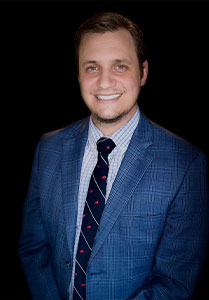
Robert J.
Maranto, III
Thanon
Rezvi

Rea Marcelo
Roxas
Understanding Rear-End Collisions and Chain-Reaction Crashes
A rear-end collision occurs when one vehicle crashes into the back of another, usually because the driver was following too closely or failed to react in time. These types of accidents are common on highways with heavy traffic and can result in significant damage to the vehicles involved. In a simple rear-end collision, the rear driver is typically considered at fault because they should have maintained a safe distance between their vehicle and the one in front of them.
However, in a chain-reaction accident, the dynamics change. A chain-reaction occurs when one vehicle rear-ends another, and the second vehicle then hits a third, causing multiple vehicles to crash into each other. In these cases, the fault is not always clear-cut.
How Fault Is Split in Chain-Reaction Accidents
In a typical rear-end collision, the driver of the vehicle that hit the car in front of them is usually at fault. This is because drivers are expected to maintain a safe following distance to allow for sudden changes in traffic conditions. But when a rear-end crash triggers a chain-reaction accident, the situation becomes more complex.
Here’s how fault is typically determined in chain-reaction accidents:
- Following Distance and Driver Responsibility
One of the most important factors in determining fault in rear-end accidents is whether the driver maintained a safe following distance. Drivers are required to maintain enough space between their vehicle and the car in front of them so that they can stop safely if traffic comes to a sudden halt. If a driver rear-ends another vehicle because they were too close, they are generally considered at fault.
However, in a chain-reaction crash, it’s not always the rear driver who is at fault. If a driver is hit from behind but had enough time to react, their responsibility may be reduced. If the rear driver wasn’t following at a safe distance and caused the first collision, they may be the primary responsible party.
The team is very personable, patient and empathetic with their clients. They are upfront with you and will explain the entire process with you, they never lead you to believe otherwise, they tell you like it is and will not sell you a million dollar dream. Trust in Andrews, Bernstein & Maranto, PLLC, they work for you and he looks out for your best interest.” - Jane D.
- Sudden Braking or Stopping by the Lead Driver
In many chain-reaction accidents, the first driver to stop or slow down suddenly can play a significant role in determining fault. If a driver stops abruptly without a legitimate reason, it can trigger a series of rear-end collisions. In this case, the lead driver who initiated the sudden stop may bear some responsibility for the crash.
However, if the lead vehicle stopped because of a legitimate reason (such as an obstacle or traffic light), then fault typically falls on the rear drivers involved in the chain-reaction.
- Weather and Road Conditions
Weather conditions can complicate fault determination. If a driver failed to adjust their speed or following distance to account for rainy or snowy conditions, they may be partially or fully at fault for an accident. However, in situations where the weather was extreme, such as a sudden snowstorm or fog, drivers are expected to slow down and exercise extra caution.
If poor weather or road conditions contributed to a chain-reaction accident, fault may be split among several parties, depending on the circumstances.
Should I Take The First Settlement Offer? Steps to File a Personal Injury ClaimRelated Videos
- The Role of Speeding or Distracted Driving
Speeding is another contributing factor that can lead to rear-end accidents. If the rear driver was speeding and couldn’t react in time to avoid a crash, they may be entirely at fault. Similarly, if the rear driver was distracted — using a phone, eating, or engaging in other activities — they may be considered responsible for the accident.
In chain-reaction crashes, if the rear driver was distracted or speeding, they may bear a large portion of the fault.
- Road Design or Faulty Traffic Signals
Sometimes, accidents happen due to poor road design or malfunctioning traffic signals. For example, if there is a sudden stop on the highway due to an intersection with a malfunctioning signal, drivers may not be prepared. In this case, the government entity responsible for the road may be partially liable for the accident.
In some cases, the faulty design of a highway or the failure to maintain road infrastructure (such as proper signage) may be a factor in determining fault in a chain-reaction accident.
What to Do if You’re Involved in a Thanksgiving Traffic Accident on the I-90
If you’re involved in a rear-end or chain-reaction accident, it’s essential to know the steps to take to protect your rights and ensure proper compensation.
- Stay Calm and Assess the Situation
Ensure everyone is safe. If possible, move your car out of the flow of traffic to avoid further collisions. If you’re unable to move your car, turn on your hazard lights to alert other drivers. - Contact Authorities Immediately
Always call the police, especially if multiple vehicles are involved. A police report is crucial for insurance claims and for determining who is at fault. Law enforcement will gather evidence, take witness statements, and provide a report that will help assess liability. - Document the Scene
Take photos of the vehicles, the surrounding area, road conditions, and any visible damages. If possible, get contact information for any witnesses who may be able to provide additional insight into what happened. - Seek Medical Attention
Even if you feel fine, it’s a good idea to seek medical attention after an accident. Whiplash, concussions, and other injuries may not present symptoms immediately. Early medical intervention is essential for your health and your case.
Verdicts & Settlements
- Contact an Attorney
Chain-reaction accidents can be complicated, especially when determining fault. Working with an experienced personal injury attorney will help ensure that your interests are protected and that you get the compensation you deserve for medical expenses, lost wages, and other damages.
Conclusion: Navigating the Legal Process After a Thanksgiving Accident
Thanksgiving travel can be stressful, and accidents can happen at any time. If you’re involved in a rear-end or chain-reaction collision on the I-90, understanding how fault is determined is crucial. Whether you are the rear driver or the lead driver, several factors — from weather conditions to sudden braking — can influence the outcome of your case.
If you or a loved one is involved in a Thanksgiving accident, Andrews, Bernstein & Maranto, PLLC is here to help. Our experienced team of attorneys is ready to provide the legal assistance you need to navigate this complex situation. Contact us today for a consultation.
To learn more about this subject click here: Mistakes That Can Ruin Your Car Accident Case