Buffalo’s snowy winters create hazardous conditions that often lead to car accidents, especially during lake-effect snowstorms. If you’re injured in a crash during a snowstorm, it’s crucial to take immediate steps to protect your health, secure necessary evidence, and understand your legal options. New York’s no-fault insurance system offers benefits, but you need to act quickly to ensure you don’t miss important deadlines. In this guide, we’ll walk through the steps you should take right after an accident, how to manage medical care, and how to handle insurance claims, particularly for injuries resulting from winter driving hazards.











Why Snowstorm Crashes in Buffalo Are Different 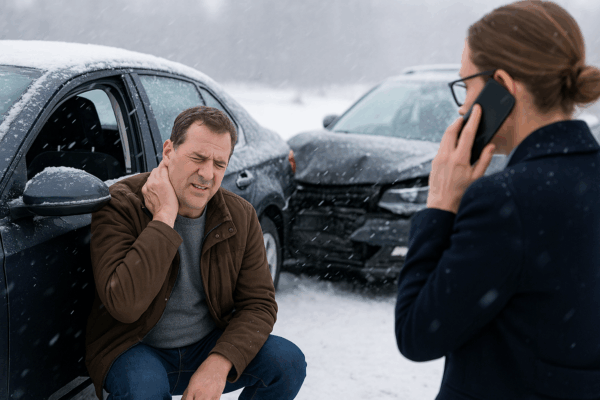
Buffalo is known for its unpredictable and intense winter weather. Lake-effect snowstorms can hit suddenly, reducing visibility to near zero and turning roads slick with ice. Accidents are more likely during these storms due to the quickly changing road conditions, including snow-covered streets, black ice, and poor visibility. The major highways, such as I-90, I-190, and Route 290, are often congested with vehicles, increasing the risk of pileups when drivers lose control.
In the event of a snowstorm, it’s not just the snow that causes accidents—cold temperatures, ice, and even slush on the roads can make a crash more dangerous. Understanding these unique dangers is key to knowing how to respond when you are involved in a snowstorm car accident.
Your First Priorities at the Scene of the Accident
The moments after an accident are critical. If you’re involved in a crash during a snowstorm, your first priorities are safety and medical care. Here’s what you should do:
- Check for injuries and call 911: The first thing to do is check yourself and your passengers for injuries. If there are any injuries, call 911 immediately. Make sure to inform the dispatcher that the crash occurred during snowy or icy conditions so that emergency responders can prepare accordingly.
- Move to safety if possible: If your vehicle is still drivable and it’s safe to do so, move it to the side of the road or out of traffic. Turn on your hazard lights and place flares if available. However, avoid standing outside your vehicle or walking in traffic lanes if it’s unsafe to do so. Snowstorms often reduce visibility for other drivers.
- Accept transport if recommended: If paramedics suggest that you go to the hospital, even if you feel fine, accept their recommendation. Many injuries, such as whiplash, concussions, or internal injuries, may not show immediate symptoms but can worsen over time.
- Exchange information: Exchange contact details and insurance information with the other driver. Do not discuss who is at fault. Keep your communication limited to the exchange of basic information.
- Take photos and document everything: Document the accident scene thoroughly. Take photos of your vehicle, the other vehicle(s), the position of the cars, visible damages, and any relevant road conditions. Pay attention to tire tracks, snow accumulation, nearby traffic signs, and the condition of the road. Photos are vital evidence in your claim.
- Talk to witnesses: If there are any witnesses to the accident, be sure to get their contact information. They may provide key testimony about the conditions leading to the crash.
- Preserve evidence digitally: If you have a dashcam or any recordings from your phone, save them immediately. Store your photos and videos to a cloud-based service so they are safe and not lost if your device is damaged or erased.
Partner Partner Partner Attorney Attorney Attorney
Benjamin J.
Andrews
Robert
Maranto
Tom
Kotrys
Robert J.
Maranto, III
Thanon
Rezvi

Rea Marcelo
Roxas
Medical Care: Protecting Your Health and Your Claim
Even if you feel okay immediately after the accident, it’s important to seek medical care. Winter accidents can cause serious injuries like whiplash, concussions, and back problems that might not show symptoms for hours or even days. Seeing a doctor within 24-48 hours helps establish a medical record of the injury, which is critical for both your health and your insurance claim.
Insurance companies may argue that your injuries aren’t as severe as you claim if there is a delay in seeking treatment. Keeping consistent medical records is key to proving the connection between the crash and your injuries. Every doctor’s note, referral, test result, and prescribed treatment will serve as evidence of your injury.
Understanding New York’s No-Fault Insurance System After a Snowstorm Crash
New York operates under a no-fault insurance system, which means that regardless of who caused the accident, your own insurance company will cover certain medical expenses and lost wages up to a specific limit. In Buffalo, where snowy conditions can create hazardous driving, it’s especially important to understand how no-fault coverage works.
The team is very personable, patient and empathetic with their clients. They are upfront with you and will explain the entire process with you, they never lead you to believe otherwise, they tell you like it is and will not sell you a million dollar dream. Trust in Andrews, Bernstein & Maranto, PLLC, they work for you and he looks out for your best interest.” - Jane D.
- What is covered: The no-fault system typically covers up to $50,000 for medical expenses and lost wages. This can help pay for treatment like doctor visits, hospital stays, and prescription costs. It may also cover lost wages if you cannot work due to your injury.
- How to access no-fault benefits: To access these benefits, you must file a no-fault application within 30 days of the crash. Failing to do so could result in losing access to your benefits. Be sure to contact your insurance company promptly and request guidance on the necessary forms.
- When to file a claim: Make sure you file your no-fault claim as soon as possible to avoid missing deadlines. It’s a good idea to seek legal assistance to ensure the forms are filled out accurately and on time.
When You May Pursue a Liability Claim Beyond No-Fault
While the no-fault system helps cover medical bills and some lost wages, it doesn’t compensate for pain and suffering or significant financial losses that go beyond basic medical expenses. In some cases, you may be able to pursue a liability claim against another driver if their negligence caused the crash.
In New York, you can file a liability claim if your injury meets the state’s “serious injury” threshold. This means you must have suffered an injury that significantly impacts your daily life, such as a broken bone, permanent disfigurement, or long-term disability.
For example, if the other driver was speeding in the snow, failing to clear snow from their car, or not following road safety laws, they may be found liable for the accident. If your injuries are severe enough, you can hold the other driver accountable for pain and suffering, lost earning potential, and additional medical costs.
Should I Take The First Settlement Offer? Steps to File a Personal Injury ClaimRelated Videos
What Evidence Matters in a Winter Car Accident Claim
Evidence is key when proving your case. In snowstorm accidents, specific types of evidence can make or break your claim.
- Weather-related evidence: Document the weather conditions at the time of the crash. This could include taking screenshots of weather warnings or snow reports from the National Weather Service or other reputable sources. Photos of snow accumulation, ice patches, and visibility can also help prove the dangerous conditions.
- Road conditions: Pay attention to road conditions like untreated lanes, salt residue, and snowdrifts. Show evidence of black ice, ruts, or the lack of plowing on major roads that could have contributed to the crash.
- Vehicle data: If available, dashcam footage and black-box data from your vehicle can show speed, braking, and other critical details about the crash. This information can be particularly useful if the other driver claims the weather was solely responsible for the accident.
- Maintenance records: If possible, note the condition of the other driver’s vehicle, especially their tires and windshield wipers. These can be important if the other driver’s car was not well-maintained or improperly prepared for winter driving.
Verdicts & Settlements
Mistakes to Avoid That Can Hurt Your Claim
When dealing with an injury claim after a snowstorm accident, certain mistakes can jeopardize your case:
- Leaving the scene prematurely: Even if your car is drivable, never leave the scene before law enforcement arrives. Leaving the scene of an accident can hurt your credibility and may result in legal consequences.
- Giving recorded statements to the insurer: Never provide recorded statements to the insurance company without consulting a lawyer. Adjusters often use these statements to minimize your claim.
- Ignoring early medical visits: Delaying medical treatment after an accident can make it more difficult to prove that your injuries were caused by the crash.
- Posting on social media: Refrain from posting about the accident on social media. Anything you share could be used against you by the insurance company.
- Throwing away receipts: Keep all receipts related to the crash, including towing fees, car repairs, and medications.
What to Do in the First 72 Hours After a Snowstorm Crash
After an accident, it’s essential to take the following steps in the first few days:
- Seek medical care: Even if you feel fine, see a doctor to rule out any serious injuries.
- Notify your insurer: Contact your insurance company to begin the no-fault claim process. Ask about the necessary forms and documentation.
- Document your symptoms: Keep a journal of how you feel, including any symptoms that worsen or new ones that appear.
- Request a rental car: If your vehicle is not drivable, arrange for a rental car through your insurance provider.
- Keep all paperwork organized: Create a folder for all documents related to the accident, including medical notes, photos, and insurance information.
- Consult a lawyer: Speak to a Buffalo injury lawyer as soon as possible to understand your rights and prevent mistakes that could harm your case.
How Andrews, Bernstein & Maranto, PLLC Can Help
At Andrews, Bernstein & Maranto, PLLC, we help victims of winter accidents in Buffalo and surrounding areas protect their rights. We can assist with securing evidence, filing no-fault claims on time, and pursuing liability claims when necessary. If you’ve been injured in a snowstorm accident, our team has the experience to navigate these challenging cases, and we’re here to help you recover the compensation you deserve.
If you’ve been hurt in a snowstorm accident in Buffalo, reach out to Andrews, Bernstein & Maranto, PLLC for a free consultation. We will listen, answer your questions, and help you understand your options. Let us guide you through the process with confidence and clarity.
To learn more about this subject click here: The Importance of Seeking Medical Attention After a Car Accident in New York State