If you are rear-ended during Buffalo’s busy holiday traffic season, focus first on safety, medical care, reporting the crash, and preserving evidence before traffic, weather, or vehicle movement changes the scene. Call 911 when someone is injured or when emergency help is needed. Exchange identifying and insurance information, photograph the vehicles and roadway, save dash-camera footage, and get witness contact information when it is safe to do so.
New York no-fault rules also create deadlines that can begin immediately. Written notice of a no-fault claim is generally due within 30 days after the crash. Proof of medical service expenses is generally due within 45 days after services are rendered, while proof of lost earnings and other necessary expenses is generally due within 90 days after the loss or expense is incurred. New York also requires an MV-104 report within 10 days when a crash causes death, personal injury, or more than $1,000 in damage to the property of any one person.
Rear-end crashes can raise questions about following distance, winter road conditions, multiple impacts, insurance coverage, and fault. The steps you take at the scene and during the days that follow can help preserve the information needed to evaluate those issues.











Why Rear-End Accidents Become a Holiday Traffic Problem in Buffalo 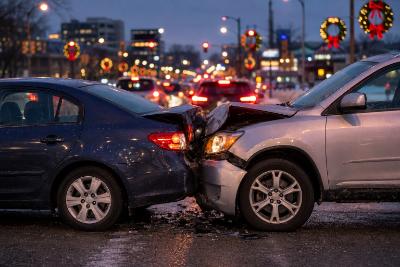
Buffalo holiday traffic can change quickly. A road that is moving normally may slow near shopping areas, parking entrances, intersections, downtown events, or highway exits. Drivers may also face stop-and-go traffic on routes such as Interstate 90, Interstate 190, Route 33, downtown streets, and busy commercial corridors.
Winter conditions can make sudden traffic changes harder to manage. Snow, slush, ice, wet pavement, glare, and reduced visibility can affect how much time and distance a driver needs to slow or stop. New York Vehicle and Traffic Law § 1129(a) requires a driver to avoid following another vehicle more closely than is reasonable and prudent, with attention to vehicle speed, traffic, and highway conditions.
The crash location alone does not decide fault. The facts can include each driver’s speed, following distance, attention, braking, lane position, and response to traffic and road conditions.
For more information about weather-related collision issues, see:
https://www.wnyinjurylawyers.com/car-accidents-in-bad-weather/
What Should You Do Immediately After a Rear-End Accident?
Your first concern should be safety. If someone is injured, call 911. If the vehicles create a hazard, follow police or emergency personnel instructions about moving them. New York DMV guidance also advises drivers to move a vehicle off the road when possible and safe.
When your condition and the scene allow, take these steps:
- Photograph damage to all involved vehicles.
- Photograph vehicle positions, lane markings, traffic signals, signs, snow, slush, ice, standing water, and visible debris.
- Exchange names, addresses, driver license information, vehicle registration information, and insurance information.
- Get names and contact information from witnesses.
- Save dash-camera footage before the system records over it.
- Write down the responding police agency, report number, towing company, and vehicle storage location.
- Keep receipts for towing, transportation, repairs, medication, and other crash-related expenses.
- Write down what you remember about traffic, weather, impact sequence, and anything the other drivers or witnesses said.
Avoid arguing about fault or estimating facts that you do not know. Give accurate information and preserve details while they are still fresh.
Preserve what you can safely. Snow removal, traffic movement, vehicle repairs, surveillance systems, and dash-camera recording cycles can change or erase evidence.
For a broader post-crash checklist, see:
https://www.wnyinjurylawyers.com/first-things-to-do-after-an-auto-accident/
Partner Partner Partner Attorney Attorney Attorney
Benjamin J.
Andrews
Robert
Maranto
Tom
Kotrys
Robert J.
Maranto, III
Thanon
Rezvi

Rea Marcelo
Roxas
Do Not Dismiss Symptoms Because the Vehicles Look Drivable
A drivable vehicle does not establish whether you are injured. If you have pain, numbness, dizziness, headache symptoms, weakness, limited movement, or another concerning symptom after the crash, seek appropriate medical care.
Tell the medical provider how the collision happened and describe your symptoms accurately. Follow the treatment instructions you receive. Keep records of appointments, diagnostic testing, medication, work restrictions, referrals, and changes in your condition.
Consistent records can help document what you reported, when you sought care, and how your condition affected your daily activities or work. You should not delay medical attention simply because exterior vehicle damage looks limited.
Who Is Usually at Fault in a Buffalo Rear-End Collision?
The driver who strikes the vehicle ahead is often a central focus of a rear-end crash investigation because New York law requires reasonable and prudent following distance. Fault is still based on the facts of the collision.
A rear-end crash can involve a sudden lane change, a disabled vehicle, brake-light problems, a chain reaction, an emergency, or conduct by more than one driver. Photographs, witness accounts, dash-camera footage, vehicle damage patterns, police information, and available electronic vehicle data can help clarify what happened.
New York’s fault rules for many motor vehicle personal injury cases changed in 2026. Under CPLR § 1411(b), for personal injury actions subject to Article 51 of the Insurance Law, a claimant can be barred from recovery when the claimant’s share of fault is greater than the fault of the person sued or greater than the combined fault of the people from whom recovery is sought. The change applies to actions and proceedings commenced on or after May 26, 2026. A claimant who is not barred may still have recoverable damages reduced according to the claimant’s share of fault.
This change does not eliminate New York no-fault benefits simply because an injured person may share responsibility for a crash. Liability claims and no-fault benefits involve different rules.
For more information about Buffalo collision claims, see:
https://www.wnyinjurylawyers.com/buffalo-car-accident-lawyers/
The team is very personable, patient and empathetic with their clients. They are upfront with you and will explain the entire process with you, they never lead you to believe otherwise, they tell you like it is and will not sell you a million dollar dream. Trust in Andrews, Bernstein & Maranto, PLLC, they work for you and he looks out for your best interest.” - Jane D.
How Winter Conditions Affect Fault After a Rear-End Crash
Snow or ice does not automatically excuse a driver who rear-ends another vehicle. New York’s following-distance law specifically requires drivers to account for traffic and highway conditions.
Weather evidence can be useful because conditions may change soon after a collision. If it is safe, photograph the pavement, visibility, tire tracks, shoulders, intersections, and any snow or ice around the vehicles. Note whether snow was actively falling and whether the roadway appeared plowed, treated, slushy, wet, or icy.
Later, the parties may disagree about whether the weather, following distance, speed, distraction, braking, or another factor caused the crash. Preserving the scene does not require you to decide fault at the roadside. It gives the people reviewing the collision a clearer record of the conditions that existed at the time.
What Are the New York No-Fault Deadlines After a Rear-End Accident?
New York no-fault insurance can provide first-party benefits for qualifying economic losses arising from the use or operation of a motor vehicle, subject to the policy and applicable law. Basic economic loss generally includes qualifying medical expenses, lost earnings, and certain other necessary expenses, up to statutory limits.
Several filing periods can matter:
- Written notice of the no-fault claim is generally due no later than 30 days after the accident.
- Proof of health service expenses is generally due no later than 45 days after the services are rendered.
- Proof of lost earnings and other necessary expenses is generally due no later than 90 days after the loss is incurred or the services are rendered.
New York regulations allow limited exceptions when an eligible injured person provides clear and reasonable justification for missing certain time limits. You should not rely on an exception when timely filing is possible.
The correct no-fault insurer can depend on whether you were a driver, passenger, pedestrian, or occupant of a vehicle covered by another policy. Do not assume that the liability insurer for the driver who rear-ended you is automatically the insurer that should receive your no-fault application.
For more information about the no-fault filing period, see:
https://www.wnyinjurylawyers.com/no-fault-application-time-frame/
Should I Take The First Settlement Offer? Steps to File a Personal Injury ClaimRelated Videos
When Is an MV-104 Report Required in New York?
New York Vehicle and Traffic Law § 605 requires a written motorist crash report within 10 days when a crash in New York causes death, personal injury, or damage exceeding $1,000 to the property of any one person.
The MV-104 filing is separate from exchanging information at the scene and separate from notifying an insurance company. Keep a copy of the completed report with your crash records.
A rear-end collision that appears minor at the scene can involve repair costs that are not obvious until the vehicle is inspected. If you are uncertain whether the reporting requirement applies, review the current New York DMV instructions rather than relying only on the appearance of the vehicles.
What Evidence Matters Most When Holiday Traffic Is Heavy?
Evidence can change or disappear after a busy holiday-season crash. Vehicles may be repaired or moved, snow can cover road markings or debris, surveillance systems can overwrite recordings, and witnesses may become difficult to locate.
Useful evidence can include:
- Photographs and video from the scene.
- Police and crash reports.
- Witness names, contact information, and statements.
- Store, hotel, parking garage, restaurant, traffic, or event-venue surveillance footage.
- Dash-camera recordings.
- Vehicle repair estimates and photographs taken during inspection.
- Medical records and bills.
- Work records showing missed time or lost income.
- Relevant electronic vehicle data when it is available.
If the collision happened near a business or parking facility, note visible cameras and the exact location before leaving when you can do so safely. Video retention periods vary, so a preservation request may need to be sent promptly.
Verdicts & Settlements
Be Careful With Early Insurance Requests
An insurance adjuster may contact you soon after the crash. Provide information that you are required to provide, but read requests carefully before giving a recorded statement, signing a broad medical authorization, or accepting a settlement.
A settlement release can end claims covered by the release. Before signing one, make sure you understand which claims and losses it addresses. This can matter when treatment is continuing or when the full effect of an injury has not yet been determined.
Keep copies of letters, emails, claim numbers, forms, medical authorizations, and documents you send to an insurer. Written records can help prevent confusion about what was requested and when information was provided.
How Can a Buffalo Car Accident Lawyer Help After a Rear-End Crash?
A rear-end collision may involve more than the impact itself. Holiday congestion, winter weather, multiple vehicles, no-fault coverage, liability insurance, medical documentation, video preservation, and filing deadlines can create separate issues that need attention.
A lawyer can review the collision, identify available insurance, obtain reports, seek relevant video, communicate with insurers, review medical documentation, evaluate fault evidence, and track deadlines that may apply to the claim.
Andrews, Bernstein & Maranto, PLLC represents injured people in Buffalo, Erie County, Western New York, and nearby areas. The Buffalo office is located at 420 Franklin Street, Buffalo, NY 14202.
If a holiday-season rear-end accident has left you dealing with medical care, missed work, vehicle repairs, or insurance questions, contact the firm for a free consultation.
Call: (716) 333-5525
https://www.wnyinjurylawyers.com/contact-us/
This article is for informational purposes only and is not legal advice. Every case depends on its own facts and applicable law. Consult an attorney about your specific situation.