
The peak delivery season is a busy time for many delivery drivers. From package deliveries to food and grocery orders, the workload during holidays and special events can increase dramatically. While these busy periods are crucial for maintaining service levels and fulfilling customer demands, they also come with heightened risks. Delivery drivers often face longer hours, increased traffic, and stressful schedules. These factors significantly contribute to a higher likelihood of accidents and injuries.













In this article, we will discuss what happens if you get injured while driving for work during peak delivery seasons, what rights you have, and how to protect yourself in such unfortunate circumstances.
Why Are Delivery Drivers at Greater Risk During Peak Seasons? 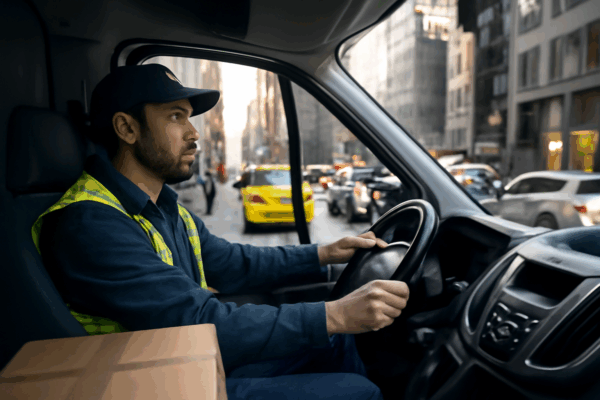
Delivery driving may seem like a straightforward job, but during peak seasons, the pressure on drivers intensifies. Several factors make delivery drivers more vulnerable to accidents during this time, including:
- Increased Traffic: During peak seasons like holidays, shopping events, or Black Friday, there is an overall increase in traffic on the roads. The higher volume of cars, pedestrians, and cyclists creates more opportunities for accidents.
- Tighter Schedules: Delivery drivers are often pressured to meet stricter deadlines during these busy times. This urgency can lead to speeding, risky driving behavior, or more accidents on the road.
- Weather Conditions: In some areas, peak seasons coincide with colder months and harsher weather conditions. Snow, ice, fog, and rain all contribute to hazardous driving conditions that increase the likelihood of accidents.
- Physical and Mental Exhaustion: The extended working hours and high demands can lead to fatigue, which impairs reaction time and judgment. Drivers may also experience physical strain from long hours of sitting, heavy lifting, or repetitive movements.
Each of these factors plays a role in increasing the chances of an accident or injury for delivery drivers during peak seasons.
Partner Partner Partner Attorney Attorney
Benjamin J.
Andrews
Robert
Maranto
Tom
Kotrys
Robert J.
Maranto, III
Thanon
Rezvi
What to Do If You’re Injured While Driving for Work
Getting injured while driving for work during a busy delivery season can be overwhelming. However, it’s important to know the steps to take immediately after an accident to ensure your rights are protected and you get the compensation you deserve.
- Report the Injury to Your Employer
If you are employed as a delivery driver, the first step is to report the accident to your employer. In most cases, companies have a legal obligation to document and investigate workplace injuries. Reporting your injury immediately is important for several reasons:
- Workers’ Compensation: Reporting the injury ensures you are considered for workers’ compensation benefits, which may cover medical expenses and lost wages if you are unable to work.
- Company Policies: Most employers have specific protocols for handling accidents. Following these guidelines can ensure that you comply with internal policies and help prevent future complications with your claim.
Make sure to follow any instructions provided by your employer for the proper reporting procedure, and keep copies of any documents related to the accident.
- Seek Immediate Medical Attention
Even if you think your injury is minor, it’s crucial to seek medical attention right away. Some injuries, such as whiplash, may not show symptoms immediately, but they can worsen over time. Prompt medical care can:
- Help assess the extent of the injury
- Prevent complications from untreated injuries
- Provide essential documentation for your claim
Whether you visit the emergency room or a local clinic, ensure that a healthcare professional thoroughly examines you and documents the injuries.
The team is very personable, patient and empathetic with their clients. They are upfront with you and will explain the entire process with you, they never lead you to believe otherwise, they tell you like it is and will not sell you a million dollar dream. Trust in Andrews, Bernstein & Maranto, PLLC, they work for you and he looks out for your best interest.” - Jane D.
- Document the Incident
Having a detailed record of the accident is essential for building a case if you need to file an insurance claim or take legal action. Here’s how you can document the incident:
- Take Photos: Capture photos of the scene, your vehicle (or the company vehicle), and any visible injuries. These photos serve as important evidence.
- Get Witness Statements: If there were any witnesses to the accident, make sure to get their names and contact information. Their statements could help clarify who was at fault in the incident.
- Write a Detailed Report: Note the time, date, location, and weather conditions at the time of the accident. Include details of the accident, such as how it occurred, the damage, and any other important information.
- Collect Police Reports: If the police were called to the scene, make sure to request a copy of the police report, as it can be an important piece of evidence in a claim.
Documenting the accident thoroughly from the start will make it easier to navigate insurance claims or potential legal proceedings later.
- Notify Your Insurance Provider
If you are using your own vehicle for deliveries, it’s important to inform your insurance company about the accident. In some cases, your auto insurance policy may cover the costs associated with the accident, such as medical bills and repairs. However, it’s also possible that your employer has insurance coverage that may apply in such situations.
- Personal vs. Commercial Insurance: If you’re driving a personal vehicle, your personal auto insurance policy may apply. However, if you’re using a company vehicle, the employer’s commercial auto insurance may be responsible.
- No-Fault Coverage: In some states, no-fault insurance may cover your medical expenses regardless of who is at fault for the accident.
Contact your insurance provider as soon as possible to understand your coverage and next steps.
Should I Take The First Settlement Offer? Steps to File a Personal Injury ClaimRelated Videos
When Can You File a Workers’ Compensation Claim?
If you are employed as a delivery driver and you are injured while driving for work, workers’ compensation insurance typically applies. This insurance is designed to provide benefits to employees who are injured on the job. Here’s what you need to know about workers’ compensation:
- Eligibility: In general, workers’ compensation benefits are available to employees who are injured while performing their job duties. This includes drivers delivering packages, food, or other goods during their working hours.
- What it Covers: Workers’ compensation can cover medical bills, lost wages, rehabilitation, and disability benefits if the injury prevents you from working temporarily or permanently.
- Filing the Claim: After reporting the injury to your employer, they should initiate the workers’ compensation claim process. In some cases, you may need to fill out specific forms or provide additional documentation to ensure your claim is processed efficiently.
If you encounter delays or denials during the workers’ compensation claim process, it may be wise to consult with an attorney who specializes in workers’ compensation law.
Third-Party Claims: When to Pursue Legal Action
In some cases, you may have the right to pursue a third-party liability claim if someone else’s negligence caused your injury. For example, if another driver caused the accident or if a poorly maintained road contributed to the crash, you may be entitled to file a claim against the responsible party.
Here’s when you should consider legal action:
- When You Are Injured Due to Another Party’s Negligence: If the accident occurred because of another driver’s reckless behavior, such as speeding, running a red light, or driving under the influence, you may be able to pursue a third-party liability claim.
- Product Defects or Hazardous Conditions: If the accident was caused by defective vehicle parts or dangerous road conditions, you may have a case for product liability or premises liability.
Working with an experienced personal injury attorney can help you navigate these claims, understand your rights, and determine the best course of action for your case.
Verdicts & Settlements
How Andrews, Bernstein & Maranto, PLLC Can Help
If you’ve been injured while driving for work during the busy delivery season, it’s essential to have an experienced legal team by your side. Andrews, Bernstein & Maranto, PLLC specializes in helping clients who have suffered personal injuries due to accidents, and we can help you navigate the claims process. Whether you are filing for workers’ compensation, dealing with insurance claims, or pursuing a third-party liability claim, our team is here to guide you every step of the way.
We offer free consultations, and we will work tirelessly to ensure that you receive the compensation you deserve. Don’t face this challenge alone—contact us today to discuss your case.