An injury at the New York State Fair, a county fair, concert, carnival, food festival, or another summer event may support a personal injury claim when an unsafe condition or preventable act causes harm. Potentially responsible parties may include a property owner, event organizer, vendor, contractor, ride operator, security company, driver, equipment manufacturer, or government entity.
Your first priorities should be medical care, reporting the incident, photographing the scene, identifying witnesses, and preserving tickets, receipts, clothing, and other records. Deadlines may be much shorter when New York State, a municipality, a public authority, or another government body is involved.
A day at a fair or summer event should leave you with good memories, not medical bills, missed work, and uncertainty about who must answer for your injuries. Andrews, Bernstein & Maranto, PLLC helps injured people understand how New York law may apply when a public celebration, concert, carnival, or seasonal gathering becomes unsafe.
These claims can be more complicated than a typical fall in a store. Event spaces often involve temporary structures, outside vendors, security contractors, food concessions, ride operators, parking services, public agencies, and private promoters. More than one party may have controlled the area or activity that caused your injury.









Common Injuries at Fairs and Summer Events 
Fairgrounds and festival sites can change quickly. Tents, cables, mats, fencing, portable stages, food stands, rides, and temporary walkways may be installed shortly before visitors arrive. Crowds can make hazards harder to see and emergency access more difficult.
Common event-related accidents include:
- Slips on spilled drinks, grease, mud, or wet flooring
- Trips over exposed cords, uneven pavement, loose mats, or broken walkways
- Falls from bleachers, stairs, platforms, or poorly secured seating
- Injuries caused by crowd surges, blocked exits, or inadequate barriers
- Assaults connected to poor security or an ignored threat
- Carnival ride injuries caused by operation, maintenance, inspection, or equipment problems
- Burns or electrical injuries near food stands, generators, or temporary wiring
- Collisions involving shuttles, golf carts, delivery vehicles, or nearby traffic
- Animal exhibit injuries caused by inadequate supervision or separation
- Injuries from falling signs, tent components, equipment, or display materials
An injury does not automatically establish negligence. A successful claim generally requires evidence that another party failed to use reasonable care and that the failure caused the injury. In a property case, the investigation may focus on who created the dangerous condition, who knew about it, how long it existed, and whether a reasonable inspection should have identified it.
Partner Partner Partner Attorney Attorney Attorney
Benjamin J.
Andrews
Robert
Maranto
Tom
Kotrys
Robert J.
Maranto, III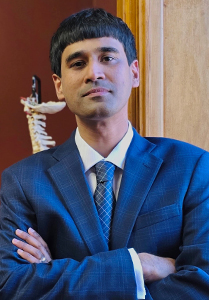
Thanon
Rezvi

Rea Marcelo
Roxas
Who May Be Liable for an Event Injury?
The person or organization that appears responsible at first may be only one part of the case. Contracts, permits, maintenance records, insurance policies, and control over the location can reveal additional responsible parties.
The Property Owner or Site Operator
A property owner or site operator may be responsible for unsafe walkways, stairs, lighting, parking areas, buildings, or other conditions. A lease or event agreement may transfer some maintenance duties to an organizer, vendor, or contractor, but that transfer does not always remove every duty from the owner.
The firm provides more information about premises liability at https://www.wnyinjurylawyers.com/injured-on-someone-elses-property/.
The Event Organizer or Promoter
Organizers may control the event layout, entrance and exit design, crowd movement, emergency plans, vendor placement, staffing, and warnings. A poor plan can create danger even when the underlying property is normally safe.
Examples may include placing long vendor lines across a walkway, allowing overcrowding near a stage, failing to secure temporary barriers, or leaving emergency routes blocked.
A Vendor or Independent Contractor
Food vendors, tent installers, electricians, staging companies, cleaning crews, and other contractors may create hazards in the areas they control. A vendor may be responsible for a spill, exposed cable, unsecured display, hot surface, or blocked path.
An organizer may share responsibility when it fails to supervise setup activities or respond to a known problem.
The team is very personable, patient and empathetic with their clients. They are upfront with you and will explain the entire process with you, they never lead you to believe otherwise, they tell you like it is and will not sell you a million dollar dream. Trust in Andrews, Bernstein & Maranto, PLLC, they work for you and he looks out for your best interest.” - Jane D.
A Ride Operator, Owner, Maintenance Company, or Manufacturer
A carnival ride claim may involve operator error, inadequate maintenance, a faulty restraint, an insufficient inspection, or a defective component.
An investigation may require:
- Inspection and maintenance logs
- Employee training records
- Surveillance footage
- Witness statements
- Ride ownership records
- Repair histories
- The damaged equipment or component
A ride owner may blame the operator, while the operator may blame a maintenance company or manufacturer. A careful investigation can identify which parties controlled the ride and contributed to the failure.
Should I Take The First Settlement Offer? Steps to File a Personal Injury ClaimRelated Videos
A Security Company, Venue, or Promoter
Security claims depend on what was reasonably foreseeable and which safety measures were available. Evidence may show inadequate staffing, poor training, ignored warnings, unsafe barriers, delayed intervention, or a failure to remove a person who posed a known threat.
A crowded concert or festival does not automatically create liability after every assault. The claim must connect the injury to a failure by a responsible party, such as ignoring repeated disturbances or failing to follow an established security plan.
A Driver or Transportation Company
A visitor may be struck by a private vehicle, rideshare car, shuttle, delivery truck, golf cart, or event vehicle. A motor vehicle claim can involve driver negligence, vehicle ownership, employer responsibility, and insurance coverage.
When a motor vehicle is involved, New York no-fault rules may also affect payment of certain medical expenses and lost earnings.
New York State or Another Government Entity
The New York State Fairgrounds are operated by the New York State Department of Agriculture and Markets. A claim arising from state property or the conduct of a state employee may need to be brought in the New York Court of Claims.
Negligence claims against New York State often require a claim or notice of intention within 90 days. Claims involving municipalities, public authorities, school districts, or other public entities may have separate notice and filing requirements, some of which also require action within 90 days. The correct procedure depends on the identity of the potential defendant and the law that governs that entity.
These deadlines and service rules are technical. Reporting the incident to an employee or completing an ordinary incident report may not satisfy a legal notice requirement.
More information about claims involving local government is available at https://www.wnyinjurylawyers.com/can-i-sue-a-city-or-county-for-injuries/.
Verdicts & Settlements
What Should You Do After an Injury?
Your health comes first. Seek emergency care or prompt medical evaluation when your symptoms require it. Adrenaline can mask pain, and some head, neck, back, joint, and soft-tissue injuries become clearer after the event.
When you can act safely:
- Report the incident to event management, security, police, or the responsible agency.
- Ask for the incident report number and the names of responding personnel.
- Photograph the hazard, surrounding area, lighting, warnings, barriers, and your injuries.
- Record a brief video that shows the layout and your path before the accident.
- Obtain names and contact information from witnesses.
- Save your ticket, wristband, receipt, parking record, event map, and confirmation emails.
- Preserve damaged clothing, footwear, personal property, or products.
- Write down what happened while the details remain fresh.
- Avoid detailed social media posts about the accident or your recovery.
- Do not sign a release before you understand its legal effect.
Event evidence can disappear within hours. Prompt preservation may protect video, photographs, records, and physical evidence.
Spills are cleaned, rides are moved, tents are removed, vendors leave, and video may be overwritten. A preservation request may help secure surveillance footage, inspection records, contracts, permits, staffing records, maintenance logs, employee schedules, and incident reports.
The firm explains which records, photographs, and witness information may help during an initial case review at https://www.wnyinjurylawyers.com/personal-injury-consultation/.
What Compensation May Be Available?
Compensation depends on the facts, medical evidence, available insurance, and long-term effects of the injury. A claim may seek payment for:
- Medical treatment, rehabilitation, and future care
- Lost income and reduced earning capacity
- Out-of-pocket expenses related to the injury
- Pain, suffering, and loss of normal activities
- Scarring, disability, or lasting limitations
- Property damage when applicable
New York follows comparative negligence. Partial responsibility does not automatically prevent recovery, but compensation may be reduced according to the injured person’s percentage of fault.
An insurance company may argue that you ignored a warning, entered a restricted area, failed to watch where you were walking, or contributed to the accident in another way. Photographs, witness accounts, video, warning placement, lighting, and the site layout can help place those arguments in context.
How Long Do You Have to File a Claim?
New York generally allows three years to file a negligence-based personal injury lawsuit. That general period is not the only deadline that may apply.
Claims involving New York State, municipalities, public authorities, school districts, or other public bodies may require notice or filing within 90 days. Wrongful death, intentional conduct, claims involving children, and other circumstances may follow different rules.
Waiting can weaken a claim long before the filing deadline expires. Surveillance footage may be deleted, temporary structures may be removed, employees may leave, equipment may be repaired, and witnesses may forget important details.
How an Event Injury Lawyer Can Help
A lawyer can determine who owned and controlled the location, obtain contracts and permits, identify insurers, preserve video, interview witnesses, review inspection records, and calculate the correct filing deadlines.
Legal counsel may also investigate:
- Whether a similar hazard caused prior incidents
- Which company hired and supervised each contractor
- Whether the event followed its safety and emergency plans
- Whether warning signs were visible and properly placed
- Whether equipment was inspected and repaired
- Which insurance policies cover each responsible party
- How the injury affects treatment, employment, and daily activities
For more information about unsafe property claims, visit https://www.wnyinjurylawyers.com/buffalo-slip-and-fall-injury-attorneys/.
Discuss Your New York Event Injury
An injury at a fair, concert, carnival, or summer festival can leave several businesses and agencies pointing responsibility at one another. Andrews, Bernstein & Maranto, PLLC can review who controlled the area, what evidence should be preserved, which insurance policies may apply, and whether a short government claim deadline affects your options.
The firm’s main office is located at 420 Franklin Street in Buffalo, New York. It serves injured people throughout Buffalo, Erie County, Western New York, and nearby areas.
Call (716) 333-5525 or visit https://www.wnyinjurylawyers.com/contact-us/ to request a case review.
This article is for informational purposes only and is not legal advice. Consult an attorney about your specific situation.