
Summer boat traffic in Western New York increases the risk of crashes on Lake Erie, the Niagara River, local harbors, and inland waterways. When an inexperienced operator causes a crash, liability may depend on how the vessel was operated, whether safety rules were followed, who owned the boat, and whether a rental company, passenger, marina, or other party contributed to the accident.
Injured passengers and other boaters may be able to pursue compensation for medical bills, lost income, pain and suffering, and long-term effects from the crash. Acting quickly after a boating accident helps preserve evidence, identify witnesses, and protect your legal options.
Summer Boat Traffic in Western New York: What Happens When an Inexperienced Operator Causes a Crash? 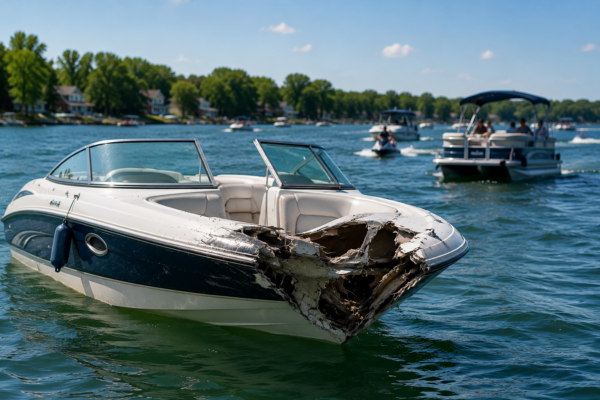
Warm weather brings people across Buffalo, Erie County, Niagara County, and nearby areas to the water. A calm afternoon on Lake Erie, a ride along the Niagara River, or a day near a marina can change quickly when a boat operator does not know how to handle crowded conditions.
Many boating accidents do not happen because someone meant to cause harm. They happen because someone misjudges speed, cuts too close to another vessel, fails to watch for swimmers or personal watercraft, or panics in traffic. Lack of experience is not an excuse when a preventable crash injures someone.
Andrews, Bernstein & Maranto, PLLC helps injured people understand what went wrong, who may be responsible, and what steps can protect a claim after a serious boating accident in Western New York.










Why summer boating accidents happen in Western New York
Western New York has a short boating season compared to warmer states, which means many boaters try to make the most of every good weekend. That can create crowded ramps, busy marinas, wake zones, and tight traffic near popular recreation areas.
Inexperienced operators may struggle with:
Judging how long a boat takes to stop
Handling wakes from larger vessels
Keeping a proper lookout
Knowing right-of-way rules on the water
Turning safely at speed
Avoiding swimmers, docks, kayaks, and personal watercraft
Responding to changing wind, waves, or visibility
Unlike a car, a boat does not brake instantly. It can drift, slide, or swing wide during a turn. A new operator may not realize how quickly a passenger can be thrown, struck, or injured when the vessel hits another boat, a dock, a sandbar, or a large wake.
The firm’s Buffalo boating accident resources explain how these incidents can lead to serious injuries and legal claims. You can read more about boating accident representation at /buffalo-boat-accident-lawyers/.
A few seconds of poor judgment on the water can leave someone dealing with months of medical care, missed work, and uncertainty.
Partner Partner Partner Attorney Attorney Attorney
Benjamin J.
Andrews
Robert
Maranto
Tom
Kotrys
Robert J.
Maranto, III
Thanon
Rezvi

Rea Marcelo
Roxas
When inexperience becomes negligence
Inexperience by itself does not automatically prove a legal claim. The key question is whether the operator failed to act with reasonable care under the circumstances. A person who chooses to operate a boat is expected to follow safety rules, pay attention, and operate the vessel in a way that does not needlessly endanger others.
Examples of negligent boat operation may include:
Speeding through a crowded area
Ignoring no-wake zones
Operating too close to another vessel
Failing to yield when required
Letting an unqualified person take the controls
Distracted operation, including looking at a phone
Boating while impaired
Overloading the boat
Failing to provide or use required safety equipment
New York has boating education requirements for motorized vessel operators, and safety training may become a key issue after a crash. If an operator lacked required training, ignored basic safety practices, or rented a vessel without understanding how to operate it, that fact can support the argument that the crash was preventable.
The team is very personable, patient and empathetic with their clients. They are upfront with you and will explain the entire process with you, they never lead you to believe otherwise, they tell you like it is and will not sell you a million dollar dream. Trust in Andrews, Bernstein & Maranto, PLLC, they work for you and he looks out for your best interest.” - Jane D.
Who may be responsible after a boat crash?
Boat accident liability is often more complicated than it first appears. The operator may be responsible, but the investigation should not stop there.
Potentially responsible parties may include:
The person operating the boat
The boat owner, if that person allowed unsafe use
A rental company that failed to provide safe equipment or proper instructions
A marina or dock owner if unsafe premises contributed to the crash
A manufacturer of defective equipment played a role
Another vessel operator who contributed to the collision
A commercial operator, tour company, or charter service in some cases
A passenger may not know who owns the boat, whether the vessel was insured, or whether a rental waiver affects the claim. These details matter. Waivers may be raised by insurance companies, but signing a form does not always end every possible claim.
Common injuries caused by inexperienced boat operators
Boating crashes can cause more than bruises. A sudden collision or fall can throw passengers against hard surfaces, into the water, or near moving equipment. Some injuries do not appear serious at first, especially when adrenaline masks pain.
Should I Take The First Settlement Offer? Steps to File a Personal Injury ClaimRelated Videos
Common injuries may include:
Head injuries and concussions
Neck and back injuries
Broken bones
Shoulder, knee, and ankle injuries
Cuts from glass, metal, or propellers
Burns from fuel or engine issues
Near-drowning injuries
Spinal injuries
Emotional trauma after a frightening crash
Prompt medical care protects your health and creates records that connect the injury to the boating accident. Delaying care can give an insurance company room to argue that the injury came from something else. More information about injuries connected to boating crashes is available at /common-causes-of-boating-injuries-and-fatalities/.
What to do after a boating accident in New York
Your first priority is safety. Get medical help for anyone injured, move to a safe location when possible, and contact the proper authorities. A boating crash can involve local police, sheriff marine units, emergency medical services, marina personnel, or state agencies depending on where it occurs.
After everyone is safe, try to preserve evidence:
Get the names and contact information of operators, passengers, and witnesses.
Take photos of the boats, dock, water conditions, injuries, and safety equipment.
Write down where the crash happened and what direction each vessel was traveling.
Save rental paperwork, receipts, text messages, and photos from earlier in the day.
Avoid giving recorded statements to insurers before understanding your rights.
Follow medical advice and attend recommended appointments.
If you were hurt as a passenger, you may feel uncomfortable questioning a friend, relative, or rental operator. That is understandable. A claim often involves insurance coverage rather than a personal attack. The goal is to identify what happened and how the available coverage can help with the losses caused by the crash.
Verdicts & Settlements
What compensation may be available?
Every case depends on the facts, insurance coverage, and the seriousness of the injuries. A boating accident claim may involve compensation for financial losses and human losses.
Possible damages may include:
Emergency care and hospital bills
Follow-up treatment, therapy, and medication
Lost wages
Reduced earning ability
Pain and suffering
Loss of enjoyment of life
Scarring or permanent limitations
Out-of-pocket expenses related to the injury
When injuries are severe, future medical needs and long-term work limitations may become part of the claim. That is why it helps to avoid settling too soon. Once a settlement is final, you usually cannot return later for more compensation if your condition worsens.
The role of evidence in proving inexperience caused the crash
A strong boating accident claim often depends on details that disappear quickly. Boats get repaired. Rental logs may be overwritten. Witnesses leave the area. Weather and water conditions change. Photos, videos, GPS data, inspection records, maintenance records, and witness statements can help show what caused the crash.
An attorney may look at questions such as:
Did the operator have required training or a safety certificate?
Was the operator speeding or violating a no-wake zone?
Were passengers properly seated?
Was the boat overloaded?
Was alcohol involved?
Did the rental company explain basic operation and safety rules?
Were life jackets and required safety equipment available?
Did another boat create a dangerous wake or fail to yield?
These questions can help separate an unavoidable accident from careless conduct.
Why local experience matters after a Western New York boat crash
A boating accident on Lake Erie or the Niagara River has local details that matter. The location, current, vessel traffic, nearby launches, and witness sources can affect the investigation. A Buffalo-based legal team can also understand how Western New York families are affected when summer recreation turns into medical appointments, missed work, and uncertainty.
Andrews, Bernstein & Maranto, PLLC is based at 420 Franklin St, Buffalo, NY 14202, and serves injured people in Buffalo, Niagara Falls, Amherst, Cheektowaga, Tonawanda, Orchard Park, West Seneca, Jamestown, Springville, Ellicottville, and nearby areas.
Talk with a Buffalo boating accident lawyer
A summer boating crash can leave you with pain, bills, and questions about who should be held responsible. You do not have to sort through insurance issues, rental paperwork, and liability questions alone.
Andrews, Bernstein & Maranto, PLLC offers case reviews for injured people and families. To discuss a boating accident caused by an inexperienced operator, call tel:7163335525 (716) 333-5525 or contact the firm through our contact page.
This article is for informational purposes only and is not legal advice. Consult an attorney about your specific situation.