
Buffalo teen driver accident risk can increase in fall as school schedules return, daylight fades earlier, and new drivers face school buses, wet leaves, rain, heavier after-school congestion, and unfamiliar nighttime conditions. Andrews, Bernstein & Maranto, PLLC helps families in Buffalo and Western New York understand what to do after a teen driving crash, including seeking medical care, preserving evidence, reporting the collision, and meeting New York no-fault deadlines.
Families can also reduce risk by combining continued driving practice with clear household rules about passengers, phones, nighttime driving, and bad weather. If a collision happens, prompt documentation can help protect your teenager’s health and preserve information your family may need when reviewing insurance and legal options.










Why Fall Can Be Harder for Teen Drivers in Buffalo 
A teenager who learned to drive during spring or summer may face a different road environment once September and October arrive. School buses return to neighborhood streets. Drop-off and pickup traffic increases around schools. Sports practices and after-school jobs can put young drivers on the road near dusk. By later fall, a trip that took place in daylight a few weeks earlier may happen in darkness.
Buffalo and nearby Western New York communities also experience changing fall road conditions. Rain can reduce visibility. Wet leaves can make pavement slick and can hide lane markings or surface defects. Cooler mornings can create frost in shaded areas before a new driver expects it. These conditions do not automatically cause crashes, but each one can demand judgment that a less experienced driver is still developing.
Parents can reduce risk by practicing the situations that fall creates. A short supervised drive at dusk, in light rain, or through a busy school area can teach more than a general reminder to be careful.
Fall Driving Reminder
Shorter daylight, school traffic, wet roads, and unfamiliar nighttime conditions can combine quickly. Practice those conditions with your teen before your teen has to handle them alone.
Partner Partner Partner Attorney Attorney Attorney
Benjamin J.
Andrews
Robert
Maranto
Tom
Kotrys
Robert J.
Maranto, III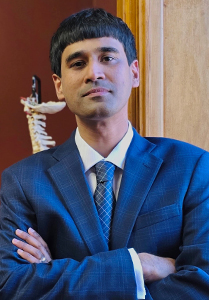
Thanon
Rezvi

Rea Marcelo
Roxas
The Most Common Fall Risks for Teen Drivers
Teen drivers are not automatically reckless. Inexperience is often a larger concern. A new driver may know the rules but still need time to recognize a hazard early enough to respond safely.
Fall driving can combine several challenges at once:
- Shorter daylight hours and glare near sunrise or sunset
- School buses stopping frequently on local roads
- More pedestrians near schools, bus stops, and athletic fields
- Wet leaves, standing water, and early frost
- After-school congestion and impatient drivers
- Friends riding to games, practices, jobs, or social activities
- Phone notifications, navigation apps, and music controls
- Fatigue after a full school day, work shift, or sports practice
A family driving plan should focus on the situations your teenager actually encounters. If your teen drives from Amherst to Buffalo for school, from Cheektowaga to an after-school job, or through neighborhood streets in West Seneca, practice those routes together before poor visibility or bad weather turns them into a first-time challenge.
New York Junior Driver Rules Matter in Buffalo
Buffalo is part of upstate New York for junior license restrictions. A driver with a junior license may drive without a supervising driver from 5:00 a.m. to 9:00 p.m. in upstate New York.
From 9:00 p.m. to 5:00 a.m., an upstate junior driver may drive alone only directly between home and employment or a qualifying school course. Other nighttime driving must be supervised by a licensed parent, guardian, or person in loco parentis who meets New York requirements.
Passenger limits also matter. In most situations, a junior driver cannot carry more than one passenger under age 21 unless the passengers are immediate family members or a qualifying supervising driver is present. The driver and every passenger must use the required safety restraints.
Your household rules can be stricter than state law. You may decide that your teenager does not drive friends after dark, does not drive during heavy rain, or keeps the phone where it cannot be reached while the vehicle is moving. Clear rules are easier to follow when your family agrees on them before the keys change hands.
The team is very personable, patient and empathetic with their clients. They are upfront with you and will explain the entire process with you, they never lead you to believe otherwise, they tell you like it is and will not sell you a million dollar dream. Trust in Andrews, Bernstein & Maranto, PLLC, they work for you and he looks out for your best interest.” - Jane D.
What Parents Should Teach Before a Fall Crash Happens
A teenager should know what to do before an accident occurs. Stress can make even simple steps difficult to remember.
Teach your teen to:
- Stop in a safe location and turn on hazard lights when appropriate.
- Call 911 when someone is injured or emergency help is needed.
- Exchange driver, vehicle, and insurance information.
- Photograph vehicle damage, the road, traffic signals, signs, debris, and visible conditions when it is safe to do so.
- Get names and contact information from witnesses.
- Avoid arguing about fault at the scene.
- Tell you promptly and report the collision to the appropriate insurer.
- Seek medical attention for pain, dizziness, headache, numbness, or other symptoms.
The firm’s First Things To Do After An Auto Accident page provides a practical checklist for families who need guidance after a crash:
https://www.wnyinjurylawyers.com/first-things-to-do-after-an-auto-accident/
What New York Insurance Rules Should Families Know?
Under New York’s no-fault system, qualifying first-party benefits can help pay medical expenses, a portion of lost earnings, and certain other necessary expenses after a covered motor vehicle accident without first proving who caused the crash.
Written notice of a no-fault claim generally must be provided to the applicable insurer as soon as reasonably practicable and no later than 30 days after the accident. A late filing may still be considered when the injured person provides written proof of a clear and reasonable justification for missing the deadline.
Families can review the firm’s explanation of the No Fault Application Time Frame here:
https://www.wnyinjurylawyers.com/no-fault-application-time-frame/
A report to the New York DMV may also be required. A driver involved in a reportable New York crash generally must file an MV-104 within 10 days when someone is injured or killed, or when damage to the property of any one person exceeds $1,000. Reporting the crash to an insurer or having police respond does not necessarily satisfy the driver’s separate DMV filing obligation.
For a broader explanation of injury claims after a collision, see the Buffalo Car Accident Lawyers page:
https://www.wnyinjurylawyers.com/buffalo-car-accident-lawyers/
Should I Take The First Settlement Offer? Steps to File a Personal Injury ClaimRelated Videos
What If Your Teen Is Blamed for the Accident?
Do not assume that a young driver is automatically at fault because of age. Liability depends on evidence such as vehicle positions, witness statements, traffic controls, speed, phone records, video, weather conditions, and the actions of every driver involved.
New York changed its comparative fault rules for personal injury actions subject to Insurance Law Article 51 in 2026. For actions and proceedings commenced on or after May 26, 2026, a claimant is barred from recovering personal injury damages when the claimant’s culpable conduct is greater than the culpable conduct, or combined culpable conduct, of the person or persons from whom recovery is sought.
No-fault benefits are a separate issue. Sharing responsibility for a crash does not automatically eliminate qualifying no-fault benefits.
This change makes careful investigation especially valuable when drivers disagree about what happened. A teen may report that another vehicle entered the lane, ran a light, stopped suddenly, or failed to yield. Those details should be documented rather than reduced to an assumption that the less experienced driver caused the crash.
Verdicts & Settlements
When Should a Family Speak With a Lawyer?
Not every minor collision requires legal representation. A consultation may be useful when your teenager or another family member is injured, fault is disputed, an insurer requests a recorded statement, medical treatment is ongoing, another driver lacks adequate insurance, or the crash involves a commercial or government vehicle.
A lawyer can review police and DMV records, insurance policies, photographs, medical documentation, witness information, and available video. The purpose is to identify which claims may exist, which deadlines may apply, and what evidence should be preserved.
If your family is dealing with a serious teen driver accident in Buffalo, Andrews, Bernstein & Maranto, PLLC can review the circumstances and explain available options. The firm’s Buffalo office is at 420 Franklin St, Buffalo, NY 14202, and the firm serves families throughout Buffalo, Erie County, Western New York, and nearby areas.
Call (716) 333-5525:
tel:+17163335525
You can also request a consultation here:
https://www.wnyinjurylawyers.com/contact-us/
Simple Fall Safety Habits Can Reduce Risk
The start of fall is a good time to reset family driving expectations. Ask your teen to slow down when visibility drops, leave more following distance on wet roads, watch carefully for buses and pedestrians, and pull over safely before using a phone or navigation system.
A teenager gains skill through repetition. Calm coaching, realistic limits, and a clear accident plan can help a young driver handle Buffalo’s fall roads with better judgment and less distraction.
This article is for informational purposes only and is not legal advice. Consult an attorney about your specific situation.