After a Fourth of July drunk driving accident in Buffalo, the impaired driver is often the primary liable party. Depending on the facts, responsibility may also extend to the vehicle owner, an employer, an alcohol seller, a person who unlawfully furnished alcohol to someone under 21, or another negligent driver.
New York no-fault insurance may cover certain initial medical expenses, lost earnings, and related costs. A separate claim may seek compensation from the people or businesses whose conduct caused the collision.
Andrews, Bernstein & Maranto, PLLC helps injured people and families investigate serious alcohol-related crashes in Buffalo, Erie County, Western New York, and nearby areas. A prompt investigation can identify available insurance policies, preserve time-sensitive evidence, and distinguish the civil injury claim from any criminal DWI prosecution.







Fourth of July Drunk Driving Risks in Buffalo 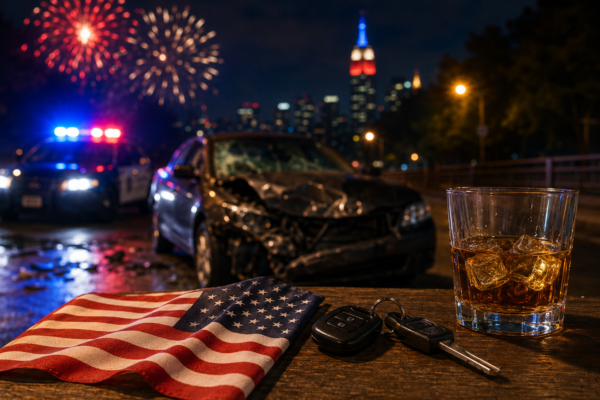
The Fourth of July brings cookouts, family gatherings, fireworks, concerts, and late-night travel throughout Buffalo and Western New York. People often drive between homes, restaurants, waterfront areas, parks, and community events. When someone drives after drinking, an ordinary trip can end in a rear-end collision, intersection crash, pedestrian accident, or multi-vehicle wreck.
Alcohol can affect judgment, reaction time, coordination, speed control, and lane position. An impaired driver might fail to stop at a red light, drift across lanes, follow too closely, enter the wrong roadway, or strike someone walking near an event.
If you were injured, you do not need to identify every liable party at the scene. Focus first on safety, medical attention, and reporting the collision. The investigation into responsibility can follow.
A drunk driving crash can involve more than one insurance policy and more than one liable party.
The Impaired Driver Is Usually the Primary Defendant
A driver who operates a vehicle while impaired and causes a crash can be held responsible for resulting injuries and property damage. Evidence of impairment can support a civil negligence claim. A DWI arrest or conviction is not always required before an injured person can pursue compensation.
Evidence involving the driver can include:
- Police observations
- Breath, blood, or urine test results
- Body camera or dashboard camera footage
- Field sobriety test records
- Witness descriptions of the driver
- Receipts, credit card records, or bar tabs
- Social media posts or event photographs
- Vehicle event data
- Cellphone records
- Statements made at the scene
A criminal DWI case is brought by the government and focuses on criminal responsibility and penalties. A civil injury claim is brought by the injured person and focuses on compensation for losses. The cases can involve some of the same evidence, but they are separate proceedings.
For more information about Buffalo collision claims, visit https://www.wnyinjurylawyers.com/buffalo-car-accident-lawyers/.
Can the Vehicle Owner Be Liable?
The intoxicated driver might have been operating a vehicle owned by a spouse, parent, friend, employer, or business. Under New York Vehicle and Traffic Law Section 388, a vehicle owner can be responsible for injuries caused by a negligent driver who used the vehicle with the owner’s express or implied permission.
Vehicle ownership can affect the claim because the owner might carry a separate liability policy. Registration records, title documents, insurance policies, household relationships, and prior vehicle use can help determine whether permission existed.
An owner might dispute permission after a serious collision. Investigators can review access to the keys, text messages, witness statements, prior use of the vehicle, and whether the driver regularly operated it. A complete insurance search can be valuable when the impaired driver has limited coverage.
Partner Partner Partner Attorney Attorney Attorney
Benjamin J.
Andrews
Robert
Maranto
Tom
Kotrys
Robert J.
Maranto, III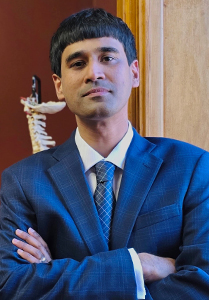
Thanon
Rezvi

Rea Marcelo
Roxas
Can an Employer Be Responsible?
An employer can face liability when an impaired employee causes a collision while acting within the scope of employment. This issue can arise when a worker is driving a company vehicle, making a delivery, traveling between work locations, transporting customers, or completing another job-related task.
A crash after a workplace celebration does not automatically make the employer responsible. Relevant questions can include:
- Who organized the event
- Whether attendance was required
- Who supplied the alcohol
- Whether the employee was still performing work
- Whether the employer controlled the transportation
- Whether the trip benefited the employer
Commercial insurance policies can provide additional coverage, so possible employment relationships should be investigated.
When Can a Bar or Restaurant Be Held Liable?
New York’s Dram Shop Act can allow a claim against a person or business that contributed to someone’s intoxication through an unlawful alcohol sale. General Obligations Law Section 11-101 provides a potential right of action when an unlawful sale caused or contributed to the intoxication that led to an injury.
Potential defendants in a Fourth of July case can include a bar, restaurant, nightclub, catering company, event vendor, or another alcohol seller. A claim does not arise merely because the driver consumed alcohol at an establishment. The evidence must support the legal requirements, including an unlawful sale and a connection between that sale, the person’s intoxication, and the collision.
Relevant evidence can include:
- Surveillance footage
- Witness testimony
- Bar tabs and receipts
- Point-of-sale records
- Server schedules
- Alcohol-service policies
- Statements describing visible intoxication
- The timing and quantity of drinks
- Transportation arrangements
- Communications between the driver and companions
Surveillance video and sales records can disappear quickly. A preservation letter can help prevent a business from routinely deleting or overwriting relevant material.
The firm’s information about accident cases explains how injury claims can involve disputed responsibility, insurance records, medical evidence, and other documentation: https://www.wnyinjurylawyers.com/accident-cases/.
The team is very personable, patient and empathetic with their clients. They are upfront with you and will explain the entire process with you, they never lead you to believe otherwise, they tell you like it is and will not sell you a million dollar dream. Trust in Andrews, Bernstein & Maranto, PLLC, they work for you and he looks out for your best interest.” - Jane D.
What About Private Hosts and Underage Drinking?
A private homeowner is not automatically responsible whenever an adult guest drinks alcohol and later causes a collision. New York law treats commercial alcohol sales and private social hosting differently.
Liability can arise when a person knowingly causes the intoxication or impairment of someone under 21 by unlawfully furnishing alcohol or helping that person obtain it. General Obligations Law Section 11-100 addresses injuries caused by an intoxicated or impaired person under 21 and provides a potential claim against someone who knowingly furnished or helped procure the alcohol under the circumstances described by the law.
A Fourth of July gathering involving teenagers or young adults can require an investigation into:
- Who bought the alcohol
- Who controlled the property
- Whether adults knew that minors were drinking
- Whether alcohol was handed directly to the underage person
- Whether identification was checked
- Whether the host collected money
- Whether the gathering involved an unlawful alcohol sale
The facts determine whether a claim exists. The presence of alcohol at a private gathering does not establish liability by itself.
Can Multiple Drivers Share Fault?
Alcohol impairment does not prevent other parties from sharing responsibility. A second driver might have been speeding, distracted, following too closely, or violating the right of way. A roadway contractor or vehicle manufacturer can become relevant in less common cases involving unsafe road work or defective equipment.
New York follows a comparative fault rule. An injured person can still recover damages when more than one party contributed to the collision. The recovery can be reduced by the injured person’s assigned share of fault.
Multi-vehicle crashes often require a detailed reconstruction. Photographs, impact points, skid marks, traffic camera footage, event data, and witness accounts can help establish the sequence of events.
Should I Take The First Settlement Offer? Steps to File a Personal Injury ClaimRelated Videos
How New York No-Fault Insurance Applies
New York no-fault insurance generally provides certain benefits after a motor vehicle accident without requiring an initial determination of fault. Depending on eligibility and policy terms, these benefits can cover qualifying medical expenses, part of the injured person’s lost earnings, and certain related costs.
Written notice of a no-fault claim generally must be submitted as soon as reasonably practicable and no later than 30 calendar days after the accident. A late submission can be accepted when the injured person provides written proof of a clear and reasonable justification for the delay.
No-fault benefits do not compensate an injured person for every loss. A separate claim against a responsible party can seek pain and suffering damages when New York’s serious injury requirements are met, along with economic losses that no-fault benefits do not fully cover.
Review the firm’s summer accident guide for more information about medical care, documentation, and insurance notice: https://www.wnyinjurylawyers.com/what-to-do-after-summer-car-accident-buffalo/.
What Compensation May Be Available?
The value of a claim depends on the injuries, recovery, financial losses, available insurance, and allocation of fault. Recoverable damages can include:
- Medical treatment and rehabilitation
- Lost wages
- Reduced future earning capacity
- Pain and suffering
- Disability or loss of function
- Scarring or disfigurement
- Property damage
- Out-of-pocket costs
- Future care needs
- Wrongful death damages when a family member is killed
A DWI charge does not establish the amount of compensation. Medical evidence, employment records, expert opinions, insurance limits, and the effect of the injuries on daily life remain central to the civil claim.
Verdicts & Settlements
Steps to Take After a Suspected Drunk Driving Crash
After a Fourth of July collision, take these steps when you can do so safely:
- Call 911 and request medical assistance.
- Tell the responding officer about any signs of impairment that you observed.
- Photograph the vehicles, roadway, debris, traffic controls, and visible injuries.
- Obtain witness names and contact information.
- Seek medical care, even when your symptoms initially seem manageable.
- Preserve clothing, damaged property, receipts, and event records.
- Avoid arguing with the driver or posting accusations online.
- Notify the appropriate insurer promptly.
- Do not sign a broad release before you understand its effect.
- Speak with an attorney before video, alcohol-service records, or vehicle data is lost.
You can also review https://www.wnyinjurylawyers.com/buffalo-personal-injury-lawyers/ for information about the legal process and available representation.
How a Buffalo Drunk Driving Accident Lawyer Can Help
A lawyer can investigate where the driver obtained alcohol, who owned the vehicle, whether the trip involved employment, and which insurance policies apply. The attorney can request police records, preserve surveillance footage, interview witnesses, review medical documentation, and communicate with insurance adjusters.
This investigation can be especially valuable when the impaired driver has low insurance limits. Depending on the evidence, a claim against a vehicle owner, employer, alcohol seller, underinsured motorist carrier, or another negligent party can provide an additional source of recovery.
Frequently Asked Questions About Fourth of July Drunk Driving Accidents
Does a DWI Arrest Prove Civil Liability?
A DWI arrest can provide significant evidence, but it does not automatically decide a civil injury claim. The injured person still must establish that the defendant’s conduct caused the collision and resulting losses. A civil claim can also proceed without a DWI conviction when other evidence supports negligence and impairment.
Can I Bring a Claim if the Drunk Driver Had Little Insurance?
Potentially. An investigation can identify coverage through the vehicle owner, an employer, an alcohol seller, another negligent driver, or an applicable supplementary uninsured or underinsured motorist policy. Coverage depends on the facts and policy language.
How Quickly Should Evidence Be Preserved?
Evidence should be preserved as soon as possible. Surveillance footage can be overwritten, witnesses can become difficult to locate, and electronic or business records can be lost through routine retention practices.
Speak With a Buffalo Drunk Driving Accident Lawyer
A Fourth of July drunk driving accident can leave you managing medical treatment, missed work, insurance calls, and uncertainty about who should be held responsible. Andrews, Bernstein & Maranto, PLLC represents injured people in Buffalo, New York, Erie County, Western New York, and nearby areas.
The firm provides personal attention and remains involved throughout the legal process. During a free consultation, the legal team can review the driver’s conduct, vehicle ownership, alcohol source, available insurance, medical evidence, and applicable deadlines.
Call (716) 333-5525 or visit https://www.wnyinjurylawyers.com/contact-us/ to discuss your situation.
This article is for informational purposes only and is not legal advice. Consult an attorney about your specific circumstances.