
April in New York brings more than just the promise of spring. The combination of melting snow, frequent rain showers, and sudden thunderstorms creates conditions that can quickly flood streets and highways. Drivers face numerous hazards as water pools along the roads, covering potholes, curbs, and debris that can compromise vehicle control. Andrews, Bernstein & Maranto, PLLC, a Buffalo-based law firm, frequently handles cases involving these hazardous conditions and provides guidance to accident victims seeking compensation for injuries and property damage caused by flooded roadways. Understanding these risks is crucial for any motorist, especially in areas prone to poor drainage or where municipal maintenance has been delayed.











Causes of Flooded Road Accidents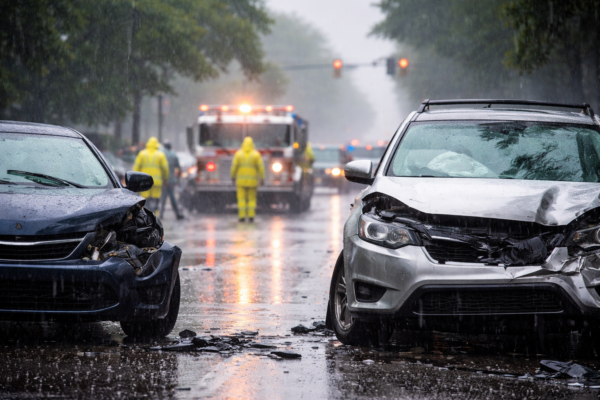
Flooded road accidents occur for a variety of reasons. In many cases, municipal stormwater systems are overwhelmed during heavy rain, resulting in standing water along main thoroughfares. Poorly maintained drains, blocked catch basins, and low-lying streets exacerbate the danger. Drivers may underestimate water depth or fail to adjust speed, leading to hydroplaning or loss of vehicle control. In addition, sudden flash flooding can catch motorists off guard, leaving little time to react. Roads in Buffalo and surrounding western New York communities are particularly susceptible, where rapid snowmelt coincides with spring storms, creating unexpectedly deep pools of water along major routes.
Legal Responsibility and Municipal Liability
Liability in accidents caused by flooded roads is often complex. While drivers are responsible for operating vehicles safely, local governments and municipalities may also be held accountable when negligence contributes to dangerous road conditions. When drainage systems are poorly maintained, warning signs are absent, or stormwater infrastructure is insufficient, a municipality can be partially liable. Additionally, private property owners whose drainage failures cause runoff onto public roads may be responsible for resulting accidents. In New York, liability claims often consider comparative negligence, which means that any fault on the part of the driver, such as speeding or failing to reduce speed in standing water, can proportionally reduce compensation. Determining fault requires a careful analysis of road conditions, weather reports, and evidence from the accident scene.
Partner Partner Partner Attorney Attorney Attorney
Benjamin J.
Andrews
Robert
Maranto
Tom
Kotrys
Robert J.
Maranto, III
Thanon
Rezvi

Rea Marcelo
Roxas
Steps to Take After a Flood-Related Crash
Immediate and thorough documentation is essential after any flood-related accident. Drivers should first contact local law enforcement to create an official report. Recording photographs of the water depth, road conditions, vehicle damage, and any missing or damaged warning signs can be vital evidence in pursuing compensation. Witness statements, if available, should be collected, and all medical treatment records must be maintained. Noting the time, location, and weather conditions at the moment of the incident provides additional context for establishing liability. Andrews, Bernstein & Maranto, PLLC, emphasizes meticulous documentation to support claims against negligent municipalities, property owners, or other drivers involved in the accident.
Insurance Considerations and Coverage
In New York, comprehensive auto insurance coverage generally protects drivers against flood damage to their vehicles. However, insurance settlements may not fully account for medical expenses, lost wages, or pain and suffering resulting from injuries sustained in flood-related crashes. Proving negligence on the part of a third party, such as a city that failed to maintain proper drainage, can enable additional compensation beyond what an insurance policy offers. Drivers should notify their insurance provider promptly, supply all relevant documentation, and refrain from providing recorded statements to adjusters without legal counsel, as insurance companies may use statements to minimize payouts.
The team is very personable, patient and empathetic with their clients. They are upfront with you and will explain the entire process with you, they never lead you to believe otherwise, they tell you like it is and will not sell you a million dollar dream. Trust in Andrews, Bernstein & Maranto, PLLC, they work for you and he looks out for your best interest.” - Jane D.
The Role of a Personal Injury Lawyer
Engaging a personal injury attorney is often essential for victims of flooded road accidents. Lawyers from Andrews, Bernstein & Maranto, PLLC, can investigate the circumstances surrounding the accident, identify whether municipal or property owner negligence contributed, and coordinate with accident reconstruction experts. Legal representation ensures that victims pursue maximum compensation for medical bills, lost wages, vehicle repairs, and pain and suffering. Attorneys also negotiate with insurance providers, reducing the risk of lowball settlements and ensuring that claims are supported by strong evidence and proper documentation.
Long-Term Effects of Flood-Related Accidents
Accidents caused by flooded roads can have lingering effects on victims, including chronic pain, mobility issues, and emotional distress. These long-term consequences highlight the importance of seeking timely medical evaluation and legal advice. Even minor collisions in standing water can lead to injuries that manifest weeks or months after the incident. A skilled attorney can help victims document these injuries and ensure that all future medical costs and related expenses are considered in the compensation claim.
Preventing Flood-Related Accidents
Although drivers cannot control heavy rainfall or municipal infrastructure, several precautions can reduce risk during floods:
- Avoid driving on streets known to flood during storms.
- Reduce speed and maintain a safe following distance in water-covered areas.
- Never attempt to drive through deep water; even a few inches can cause loss of control.
- Stay informed of municipal alerts or closures during heavy rain events.
- Keep vehicle brakes, tires, and lights in optimal condition for wet weather.
Case Examples and Local Precedent
Buffalo and western New York have experienced numerous flood-related road accidents where inadequate drainage contributed to collisions. Previous cases have established that municipalities may bear partial responsibility if they fail to maintain stormwater systems or provide adequate warnings. Andrews, Bernstein & Maranto, PLLC, has represented clients in claims involving these circumstances, demonstrating that with careful legal strategy and thorough evidence collection, victims can successfully seek compensation for their injuries and property loss.
Should I Take The First Settlement Offer? Steps to File a Personal Injury ClaimRelated Videos
Accidents on flooded roads are often unavoidable, but understanding the causes and pursuing legal recourse when negligence is involved is critical. Drivers injured during spring rains in New York may be entitled to compensation for medical expenses, lost wages, and property damage if evidence indicates that municipalities, property owners, or other parties failed in their duty to maintain safe roads. Andrews, Bernstein & Maranto, PLLC, offers guidance and representation to help victims navigate these complex claims, ensuring that those responsible for unsafe conditions are held accountable. Prompt legal action, accurate documentation, and expert legal counsel significantly increase the likelihood of obtaining fair compensation.
Remember, this information is for general understanding and does not constitute legal advice. Individuals involved in flood-related accidents should consult a qualified attorney about their specific circumstances.
To learn more about this subject click here: How to Prove the Impact of Whiplash in a Car Accident Case